
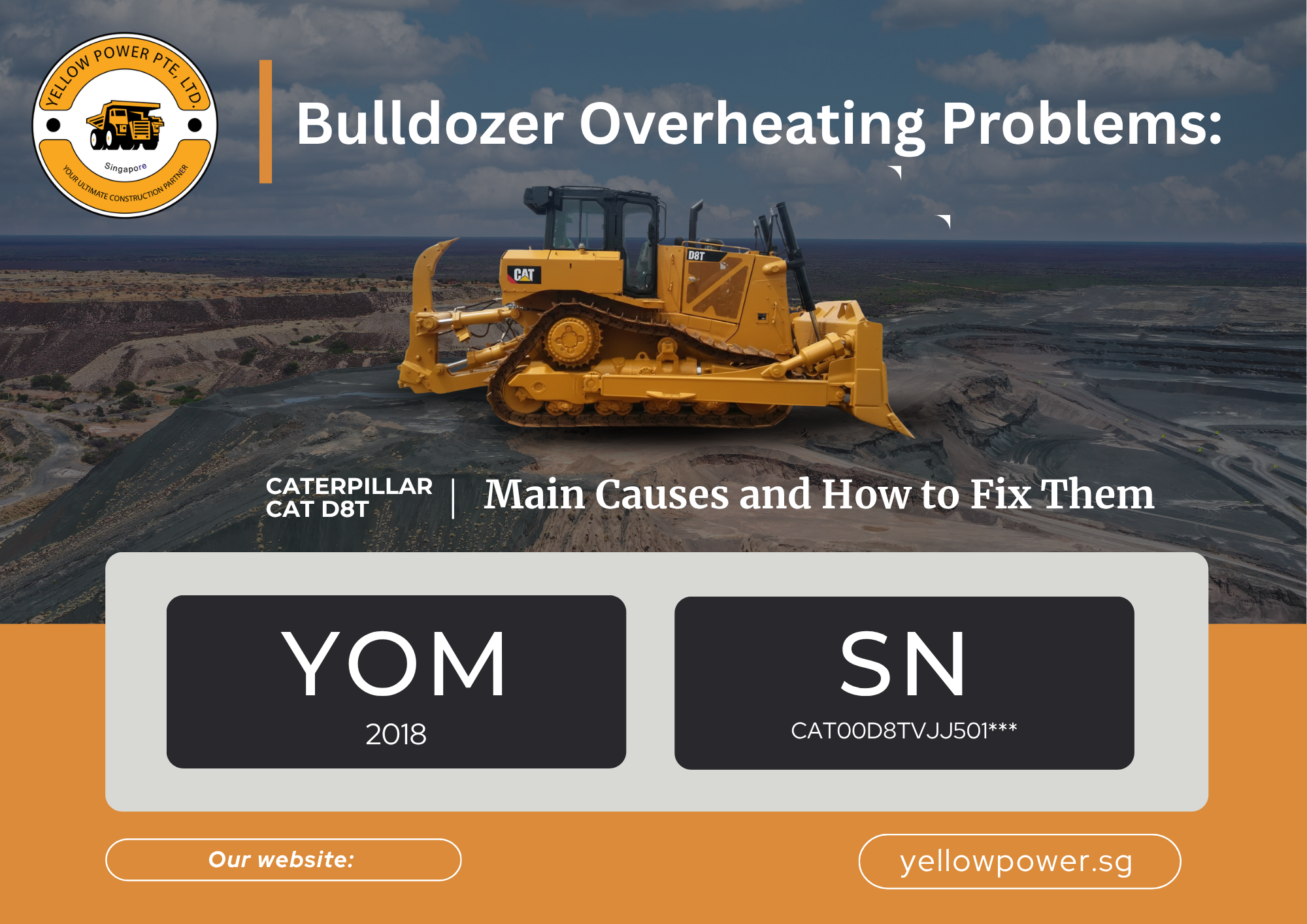
The Reality of Overheating in Heavy Equipment
Overheating is a frequent challenge in bulldozer operations, particularly in demanding environments where machines are expected to perform under constant pressure. A bulldozer engine produces a significant amount of heat during operation, especially when handling heavy loads over long periods. Under normal conditions, this heat is controlled by the cooling system. However, when that system is not functioning optimally, heat begins to accumulate, leading to reduced performance and potential long-term damage. Many operators underestimate how quickly this issue can escalate, assuming it is a minor problem when, in fact, it can halt operations entirely.
Common Causes That Are Often Overlooked
In most cases, overheating is not caused by a single failure but by a combination of smaller issues. One of the most common factors is a dirty or clogged radiator. Dust, mud, and debris can easily block airflow, preventing heat from being released efficiently. Another key issue is coolant condition. Low levels or degraded coolant reduce the system’s ability to absorb and transfer heat away from the engine. Additionally, worn-out fan belts or underperforming cooling fans can limit airflow, especially during continuous operation. These problems may seem minor individually, but together they create a significant impact on engine temperature.
The Impact of Heavy Workload and Operating Conditions
Bulldozers are designed to handle extreme workloads, but even the most durable machines have limits. Continuous operation without adequate rest periods can push the engine beyond its optimal temperature range. This is especially true in hot climates or environments with poor ventilation, where external heat adds to the internal temperature. Operators often focus on productivity and deadlines, unintentionally ignoring the stress placed on the machine. Over time, this can lead to overheating becoming a recurring issue, affecting both efficiency and reliability.
The Role of Maintenance in Preventing Overheating
Consistent maintenance plays a critical role in preventing overheating problems. Simple actions such as regularly cleaning the radiator, checking coolant levels, and inspecting cooling components can significantly reduce risk. Engine oil should also be monitored, as it helps regulate temperature and reduce friction. Neglecting these basic maintenance tasks often leads to more serious mechanical failures that require costly repairs. A well-maintained bulldozer not only runs cooler but also performs more efficiently in the long run.
Practical Steps to Keep Your Bulldozer Running Cool
Preventing overheating does not always require complex solutions. Operators can take practical steps such as scheduling routine inspections, ensuring proper airflow around the engine, and avoiding excessive workloads without breaks. Paying attention to early warning signs such as rising temperature gauges or unusual engine behavior can help address problems before they worsen. Allowing the machine to cool down during extended use is also a simple yet effective habit.
Long-Term Benefits of Proper Temperature Management
Managing engine temperature effectively brings long-term advantages. It helps extend the lifespan of the bulldozer, reduces unexpected downtime, and lowers maintenance costs. More importantly, it ensures that the equipment remains reliable in critical operations. By understanding the causes of overheating and taking preventive measures, operators and maintenance teams can protect their investment and maintain consistent performance in even the toughest working conditions.


Write a comment
Your email address will not be published. All fields are required