Best Used Heavy Equipment Trading Company in Singapore

Search

Contact +6581600186 - Yellow Power Pte Ltd

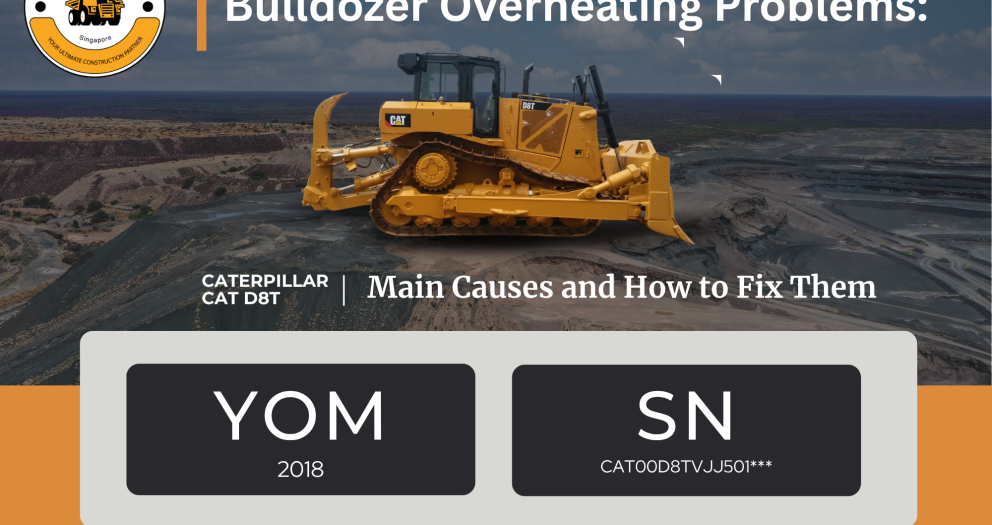
Understanding Bulldozer Overheating and How to Prevent It Effectively

The Reality of Overheating in Heavy Equipment

Overheating is a frequent challenge in bulldozer operations, particularly in demanding environments where machines are expected to perform under constant pressure. A bulldozer engine produces a significant amount of heat during operation, especially when handling heavy loads over long periods. Under normal conditions, this heat is controlled by the cooling system. However, when that system is not functioning optimally, heat begins to accumulate, leading to reduced performance and potential long-term damage. Many operators underestimate how quickly this issue can escalate, assuming it is a minor problem when, in fact, it can halt operations entirely.

Common Causes That Are Often Overlooked

In most cases, overheating is not caused by a single failure but by a combination of smaller issues. One of the most common factors is a dirty or clogged radiator. Dust, mud, and debris can easily block airflow, preventing heat from being released efficiently. Another key issue is coolant condition. Low levels or degraded coolant reduce the system’s ability to absorb and transfer heat away from the engine. Additionally, worn-out fan belts or underperforming cooling fans can limit airflow, especially during continuous operation. These problems may seem minor individually, but together they create a significant impact on engine temperature.

The Impact of Heavy Workload and Operating Conditions

Bulldozers are designed to handle extreme workloads, but even the most durable machines have limits. Continuous operation without adequate rest periods can push the engine beyond its optimal temperature range. This is especially true in hot climates or environments with poor ventilation, where external heat adds to the internal temperature. Operators often focus on productivity and deadlines, unintentionally ignoring the stress placed on the machine. Over time, this can lead to overheating becoming a recurring issue, affecting both efficiency and reliability.

The Role of Maintenance in Preventing Overheating

Consistent maintenance plays a critical role in preventing overheating problems. Simple actions such as regularly cleaning the radiator, checking coolant levels, and inspecting cooling components can significantly reduce risk. Engine oil should also be monitored, as it helps regulate temperature and reduce friction. Neglecting these basic maintenance tasks often leads to more serious mechanical failures that require costly repairs. A well-maintained bulldozer not only runs cooler but also performs more efficiently in the long run.

Practical Steps to Keep Your Bulldozer Running Cool

Preventing overheating does not always require complex solutions. Operators can take practical steps such as scheduling routine inspections, ensuring proper airflow around the engine, and avoiding excessive workloads without breaks. Paying attention to early warning signs such as rising temperature gauges or unusual engine behavior can help address problems before they worsen. Allowing the machine to cool down during extended use is also a simple yet effective habit.

Long-Term Benefits of Proper Temperature Management

Managing engine temperature effectively brings long-term advantages. It helps extend the lifespan of the bulldozer, reduces unexpected downtime, and lowers maintenance costs. More importantly, it ensures that the equipment remains reliable in critical operations. By understanding the causes of overheating and taking preventive measures, operators and maintenance teams can protect their investment and maintain consistent performance in even the toughest working conditions.

Understanding Bulldozer Tracks: Functions & Maintenance Guide

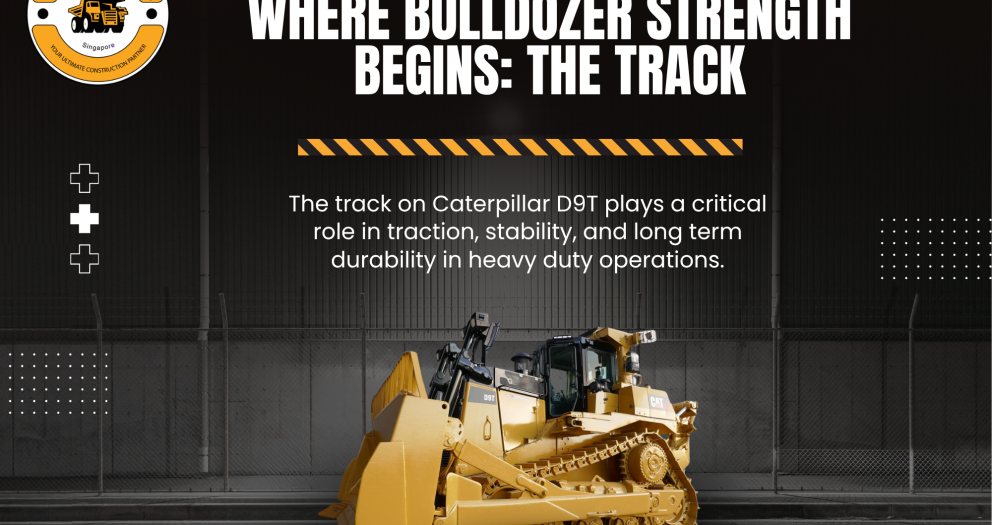
Bulldozers are powerful machines built to conquer the toughest terrains and at the heart of their performance lies one critical component: the track system. Whether you're working on construction sites, mining operations, or land clearing, understanding how bulldozer tracks function and how to maintain them properly can significantly improve efficiency, safety, and machine lifespan.

What Is a Bulldozer Track and Why Is It Important?

Bulldozer tracks, also known as undercarriage tracks, are continuous metal chains fitted with track shoes that allow the machine to move smoothly across uneven, soft, or rugged terrain. Unlike wheels, tracks distribute the machine’s weight evenly, reducing ground pressure and improving traction.

Without a well functioning track system, even the most powerful bulldozer cannot perform effectively.

Key Functions of Bulldozer Tracks

  1. Superior Traction on Any Terrain

Bulldozer tracks are designed to grip surfaces such as mud, sand, gravel, and rocky ground. This ensures the machine can operate in challenging environments where wheeled vehicles might struggle or get stuck.

  1. Even Weight Distribution

Tracks spread the bulldozer’s weight across a larger surface area. This minimizes soil compaction and prevents the machine from sinking into soft ground, making it ideal for heavy duty operations.

  1. Enhanced Stability and Balance

The wide base created by tracks provides excellent stability, especially when pushing heavy loads or operating on slopes. This reduces the risk of tipping and improves operator safety.

  1. Smooth Movement Over Obstacles

Tracks allow bulldozers to move over obstacles like rocks, debris, and uneven ground with minimal disruption, ensuring continuous and efficient operation.

  1. Durability in Harsh Conditions

Built from high-strength steel, bulldozer tracks are engineered to withstand extreme wear, impact, and environmental conditions.

Main Components of a Bulldozer Track System

Understanding the components helps in proper maintenance:

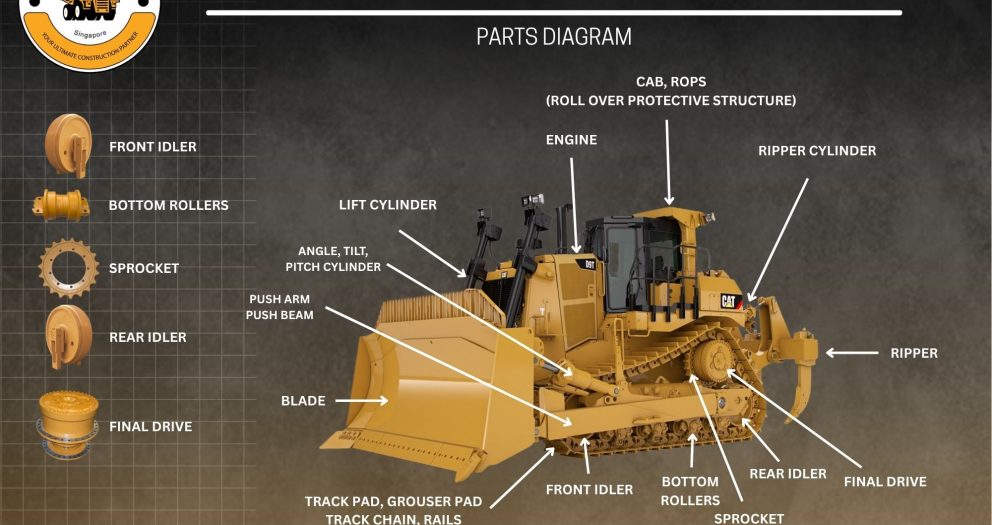
  • Track Chains: Connect all parts and transfer power from the engine.
  • Track Shoes: Provide contact with the ground and traction.
  • Rollers: Support the machine’s weight and guide the track.
  • Idlers: Help maintain track alignment and tension.
  • Sprockets: Drive the track forward or backward.

Each component plays a vital role in overall performance.

How to Maintain Bulldozer Tracks (Step-by-Step Guide)

Proper maintenance is key to extending the life of your bulldozer and avoiding costly downtime.

  1. Perform Regular Inspections

Check the track system daily or before operation:

  • Look for cracks, loose bolts, or worn-out parts
  • Inspect track tension and alignment
  • Identify unusual noises during movement

Early detection prevents bigger problems later.

  1. Maintain Proper Track Tension

Track tension should not be too tight or too loose:

  • Too tight→ causes excessive wear on components
  • Too loose→ increases risk of track slipping off

Always follow manufacturer guidelines for correct adjustment.

  1. Clean Tracks After Use

Mud, stones, and debris can build up and damage the undercarriage:

  • Wash tracks regularly, especially after working in muddy areas
  • Remove trapped materials between track components

A clean track system performs better and lasts longer.

  1. Lubricate Moving Parts

Proper lubrication reduces friction and wear:

  • Apply grease to rollers, idlers, and other moving parts
  • Use recommended lubricants for best results

Consistent lubrication ensures smoother operation.

  1. Monitor Wear and Replace Parts on Time

Track components naturally wear over time:

  • Replace worn track shoes, rollers, or sprockets
  • Avoid mixing new and old components excessively

Timely replacement maintains efficiency and prevents further damage.

  1. Operate the Bulldozer Correctly

Good operating habits can significantly reduce wear:

  • Avoid sharp turns at high speeds
  • Minimize unnecessary reversing
  • Operate on suitable terrain whenever possible

Proper use equals longer equipment life.

Why Proper Track Maintenance Matters

Investing time in maintenance offers real benefits:

  • Reduced repair costs
  • Increased machine lifespan
  • Improved performance and productivity
  • Enhanced safety for operators

In short, a well maintained track system keeps your project running smoothly without unexpected interruptions.

Final Thoughts

Bulldozer tracks are more than just moving parts they are the foundation of your machine’s performance. By understanding their function and committing to regular maintenance, you ensure that your equipment remains reliable, efficient, and ready to tackle any challenge.

Common Mistakes in Bulldozer Operation You Should Avoid

The Importance of Proper Bulldozer Operation

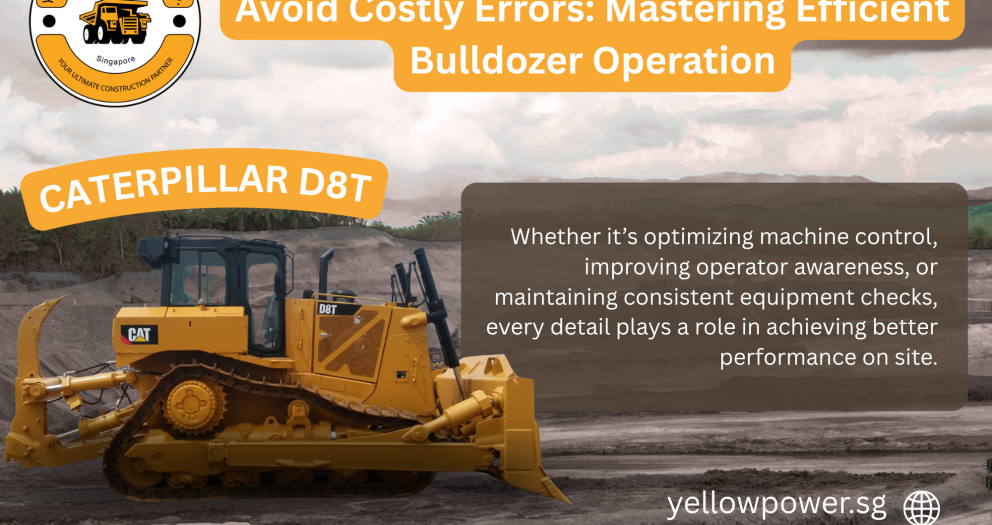
Bulldozers are indispensable assets in modern heavy earthmoving operations, forming the backbone of activities such as land clearing, grading, and large-scale site preparation. Their ability to move vast amounts of material efficiently makes them a critical component in construction and mining projects. However, even the most advanced and powerful bulldozers can fall short of expectations when not operated correctly. In reality, it is often not major mechanical failures that reduce performance, but rather small, frequently overlooked mistakes in day-to-day operations. These seemingly minor errors can gradually lead to reduced productivity, higher fuel consumption, and accelerated wear on essential machine components. Over time, the cumulative effect of these inefficiencies can significantly increase operational costs and disrupt overall project timelines, ultimately affecting profitability and performance.

Common Mistakes That Impact Performance

A wide range of common operational mistakes can negatively impact bulldozer performance, many of which are entirely preventable with the right knowledge and discipline. Improper blade handling, for instance, can result in uneven grading, material spillage, and unnecessary rework. Inefficient pushing techniques such as overloading the blade or using incorrect travel paths can increase cycle times and fuel consumption while placing additional strain on the machine. Furthermore, neglecting routine maintenance, including regular inspections and timely servicing, can allow minor issues to develop into serious mechanical problems. These mistakes not only reduce efficiency but also increase the likelihood of unexpected downtime, which can be costly in high demand projects. Addressing these issues requires a combination of proper training, operational awareness, and a commitment to best practices on site.

Understanding the Root Causes of Inefficiency

To effectively minimize these mistakes, it is essential to understand the underlying causes of inefficiency in bulldozer operations. In many cases, these issues stem from insufficient operator training, lack of clear operational planning, or inconsistent work habits. Without proper guidance, operators may develop inefficient techniques that negatively impact performance over time. Additionally, poor coordination on site can lead to unnecessary machine movement and wasted effort. By identifying and addressing these root causes, companies can implement more structured and efficient workflows. Investing in operator training, establishing clear operational procedures, and promoting consistent performance standards can significantly enhance productivity. Even small adjustments such as improving blade control, optimizing work patterns, and scheduling regular maintenance can deliver measurable improvements in efficiency and equipment longevity.

Practical Solutions for Better Performance

Improving bulldozer performance does not always require major changes; often, it is the consistent application of practical solutions that makes the biggest difference. This includes adopting proper operating techniques, such as maintaining optimal blade angles, avoiding excessive load, and planning efficient push routes. Regular maintenance should also be prioritized to ensure that the machine remains in peak condition. By focusing on these practical steps, companies can reduce downtime, lower operating costs, and improve overall workflow efficiency. A well operated and well maintained bulldozer not only performs more effectively but also contributes to a safer and more productive job site environment.

Achieving Long Term Operational Success

In today’s highly competitive construction and mining industries, achieving long-term success requires a strong focus on both productivity and risk management. Avoiding common bulldozer operation mistakes is a critical part of this process. By improving operator awareness, maintaining equipment consistently, and continuously refining operational strategies, businesses can ensure more reliable and efficient performance across all projects. Ultimately, the ability to identify and address these common pitfalls is not just an advantage it is a necessity. Companies that prioritize efficiency, precision, and reliability will be better positioned to meet project demands, control costs, and maintain a sustainable competitive edge in the industry.

Why Bulldozers Are Crucial for Effective Construction Site Preparation

Before any construction project begins, proper site preparation is essential to ensure that the entire process runs smoothly and safely. One of the most important machines used during this early phase is the bulldozer. Known for its strength, durability, and ability to move large amounts of material, a bulldozer plays a critical role in preparing land for construction activities.

From clearing obstacles to leveling uneven terrain, bulldozers help transform raw land into a workable construction site. Their efficiency not only speeds up the preparation process but also ensures that the foundation for the project is stable and ready for further development.

Clearing Land and Removing Obstacles

One of the first tasks in construction site preparation is clearing the land. Construction areas often contain trees, rocks, debris, old structures, or other obstacles that must be removed before work can begin.

Bulldozers are specifically designed to handle these heavy-duty tasks. With their powerful engines and large front blades, they can push, uproot, and move large objects with ease. This allows contractors to clear large areas of land quickly and efficiently, reducing the time required to prepare the site for the next stage of construction.

In addition, bulldozers can work in challenging environments where manual labor or smaller machines would struggle. Their robust design allows them to operate effectively in rough terrain, muddy conditions, or areas with dense debris.

Leveling and Grading the Ground

Another critical role of bulldozers is leveling and grading the ground. Construction projects require a stable and even surface to ensure that structures are built on a solid foundation. Uneven terrain can lead to structural problems, drainage issues, or safety risks during construction.

Bulldozers are equipped with adjustable blades that allow operators to cut, push, and distribute soil across the site. This makes it possible to level hills, fill depressions, and shape the ground according to the project’s design requirements.

By creating a smooth and balanced surface, bulldozers help engineers and contractors establish the proper groundwork needed for roads, buildings, and infrastructure projects.

Moving and Managing Large Volumes of Material

Construction site preparation often involves moving large quantities of soil, sand, gravel, and other materials. Bulldozers are highly effective for this task because they can push large loads over short distances quickly and efficiently.

Their ability to move material across the site helps streamline the workflow and supports other machines such as excavators, loaders, and graders. Bulldozers often work alongside these machines to ensure that the site preparation process runs efficiently and stays on schedule.

This coordinated work between heavy equipment plays a key role in increasing productivity on construction projects.

Improving Efficiency and Reducing Project Time

Time efficiency is a major factor in construction projects. Delays during site preparation can impact the entire construction schedule and increase project costs.

Bulldozers help minimize these risks by performing multiple tasks quickly and effectively. Their powerful performance allows operators to complete land clearing, grading, and material movement faster than many other machines.

By speeding up the site preparation phase, bulldozers allow construction teams to move forward with foundation work, structural development, and other critical stages of the project without unnecessary delays.

Enhancing Safety on Construction Sites

Safety is always a top priority in construction environments. Unstable ground, debris, and uneven terrain can create hazardous working conditions for workers and equipment.

Bulldozers help improve site safety by removing dangerous obstacles and creating a stable working surface. Properly prepared ground reduces the risk of accidents, equipment instability, and operational hazards during later stages of construction.

Modern bulldozers are also equipped with advanced technology and safety features that assist operators in maintaining better control and visibility while working on the site.

A Key Machine in Construction Projects

Bulldozers remain one of the most essential pieces of heavy equipment in the construction industry. Their ability to clear land, level terrain, move materials, and improve site conditions makes them indispensable during the early stages of project development.

Without proper site preparation, construction projects may face structural challenges, delays, and increased costs. By performing critical groundwork tasks efficiently, bulldozers help ensure that construction projects start with a strong and reliable foundation.

As infrastructure development and construction projects continue to grow worldwide, the role of bulldozers in site preparation will remain fundamental to building safe, efficient, and successful construction environments.

The most important differences and benefits of their working

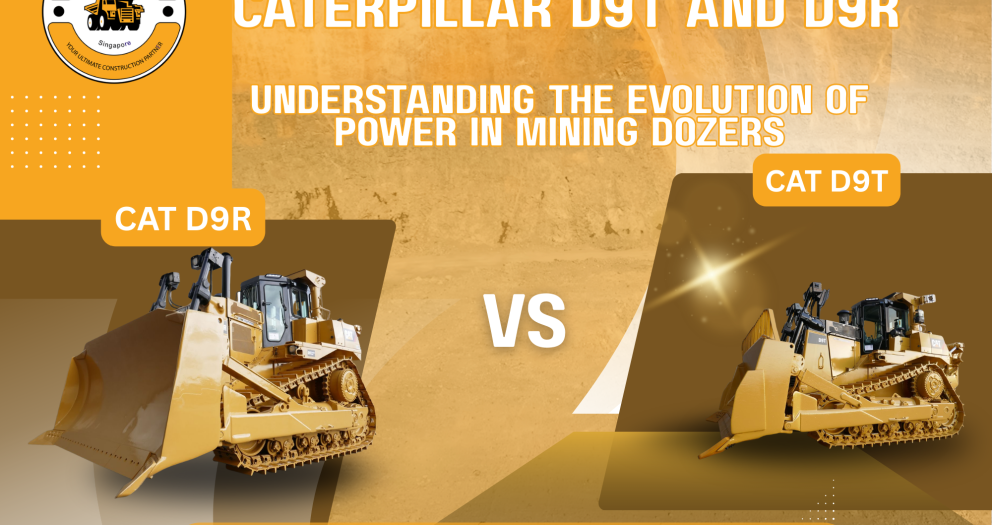
Bulldozers are supposed to be able to perform with heavy workloads in a demanding environment of mining and large-scale earthmoving. Two of the most notable machines of this type include the Caterpillar D9T and Caterpillar D9R which are very powerful dozers that have gained a solid reputation in mining, quarry, as well as infrastructure projects worldwide.

These two machines seem highly similar at first sight. They are both in the same category of high capacity track-type tractors that are used to operate in difficult ground conditions, heavy pushing operations, and full-time production conditions. Their major applications include eliminating overburden, ground preparations, handling of stockpiles, and supporting other machinery within the mining areas that are active.

Nevertheless, as much as they have several fundamental traits in common, there are various material differences between the two models. The D9R is a long established workhorse in the mining industry which is highly prized due to its longevity and relative mechanical dependability. Gradually, it turned out to be a reliable machine in countless locations where push force and reliable operation were needed.

D9T, in its turn, is the next phase in the development of this type of the machine. Based on the notable base of the D9 series, it brings with it better efficiency, new technology and comfort of the operator. These developments contribute to increased working hours, better fuel consumption, and easier handling of the machines- aspects which could make a significant change in the modern operations when the productivity and management of the cost of operations is of essence.

The difference between these two machines cannot be explained just by comparing specification. It is the identification of the fitting of each model to particular operations. There might be those operations where the reliability and ease of operating with the D9R can be of a superior priority and those where the technological advancements and operation efficiency of the D9T can be of benefit.

Finally, the two machines are still effective resources in the heavy duty. When appropriately aligned to the requirements of the jobsite either of the dozers can be important in ensuring the preservation of productivity, assist site building, and also see the large earthmoving operations maintain their performance.

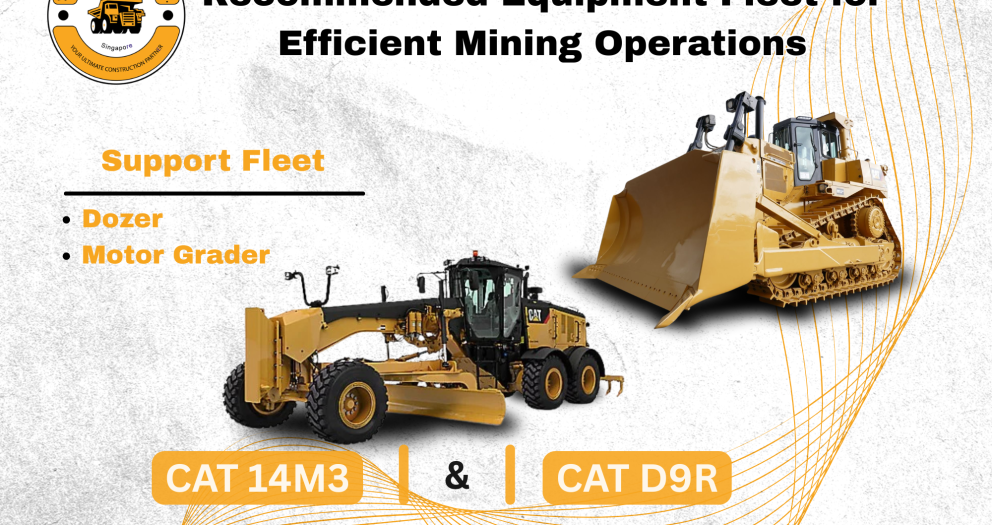
Consistent Support of Caterpillar D9R and Caterpillar 14M3

With big mining and earth moving processes, single machine efficiency is seldom a factor. Rather, productivity is created on the basis of the effectiveness with which various units collaborate as a coordinated fleet. Every machine has its purpose and when all their purposes are coordinated then there is more stability, efficiency and productivity in the whole operation.

A popular and one of the more common combinations of support fleets is the Caterpillar D9R dozer and Caterpillar 14M3 motor grader. These two machines complete each other because they are concerned with two fundamental issues of site support, that is, ground preparation and road maintenance. The two of them assist in the formation of a well organized working environment which enables more efficient operation of other production equipment.

Caterpillar D9R dozer is a machine that is used in harsh conditions in which power, durability, and reliability are needed. The D9R is actively deployed in the day-to-day mining business activities to create working areas, move loose materials, keep the bench in order and to clear working areas. The dozer lays the ground and stabilizes working platforms by doing so to make sure that machinery like drill rigs, excavators and loaders can work safely and efficiently. Adequate ground preparation is not only good in enhancing productivity, but also has a negative effect on the chances of having delays in operations.

To supplement the dozer, Caterpillar 14M3 motor grader is provided which is a machine that is used to ensure the quality of the roads within the site. The haul road condition contributes immensely to the overall productivity in the mining activity in which the haul truck and support equipment are utilized throughout. Poorly maintained or uneven roads may slow down the production rate, waste of fuel and hasten the wear of the machines. The 14M3 motor grader can be used to avoid these problems by shaping, leveling and keeping the smooth road surfaces that enable equipment to operate safely and efficiently within the working areas.

The D9R and 14M3 can be used to form a balanced support system when both are used together. The dozer is used to prepare and repair the ground on which the production process is carried out, whereas the motor grader is used to make certain access routes and haul roads were in good condition. Such coordination assists in avoiding undue stress of equipments, increases the efficiency of traveling and maintains steady operation flow throughout the mining locale.

The advantages of this combination are more obvious with time. Proper maintenance and well-prepared ground conditions reduce operation costs, maintenance costs, and enhance the safety of the operators and equipment. These factors are of critical concern in the mining industry where the high demand environment requires production which is reliable and sustainable.

The success of a mining activity is not the application of strong machines - it is the construction of an appropriate fleet strategy. The Caterpillar D9R dozer combined with Caterpillar 14M3 motor grader is a viable solution to the task support through preparation, maintenance, and coordination.

Operational Coordination for Drill & Blast Activities

Modern mining operations begin their productivity process after the material has been removed from the site, but their actual work starts with the preparatory work and drilling procedures which create the base for their entire operation. The drill and blast process is one of the most critical phases in preparing rock for efficient loading and hauling.

Ground Preparation and High-Precision Drilling Working in One System

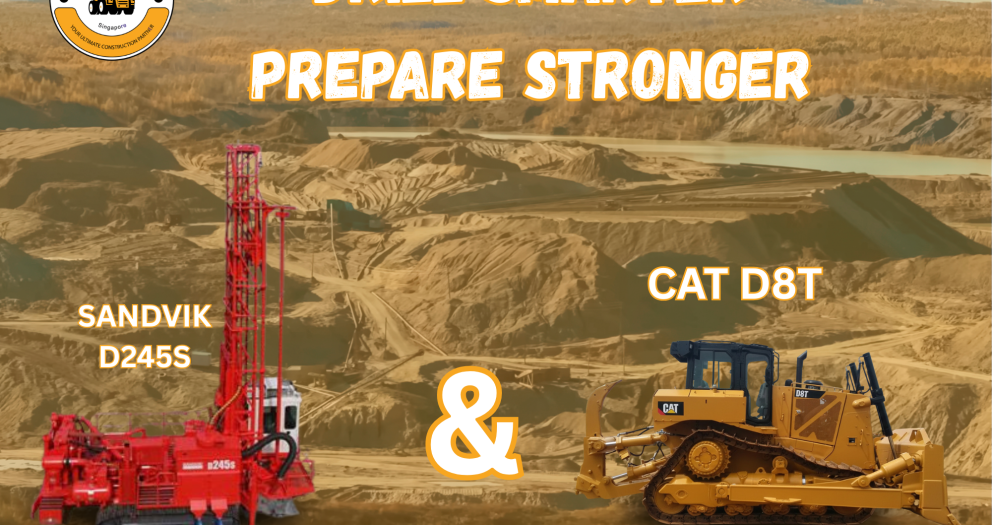
The current work requires the Sandvik D245S primary drilling unit and Caterpillar D8T dozer combination to operate properly. The coordinated operation of these machines creates a smooth transition between ground preparation and drilling activities which enables operational processes to continue without hindrance.

The ground needs to be prepared for correct drilling work to start.

Work area preparation is essential for stable operating conditions before the drilling process starts. The Caterpillar D8T operates as the primary equipment needed to complete this task. The dozer is used to clear loose material, level uneven surfaces, and shape the drill pad to create a stable working platform for the drilling unit.

The D8T establishes safe and efficient drilling operations through its work with material handling operations and ground shaping activities. The equipment performance during drilling operations depends directly on how well the ground preparation work has been completed.

Drill pad preparation offers numerous benefits which include:

  • Equipment stability improvement
  • Enhanced hole positioning accuracy
  • Decreased equipment stress during drilling
  • Creation of a safer workspace for both workers and machinery

Drilling operations become more effective when teams execute their work on land which has been correctly set up for drilling activities.

Precision Drilling with the D245S

The Sandvik D245S begins its drilling operation after the drilling area has been prepared and the machine has reached its designated spot. The D245S system offers dependable penetration rates and precise hole positioning which makes it suitable for large-diameter blast hole drilling operations.

The accuracy of drilling operations determines how well rock material breaks apart during the blasting process. The results of blasting operations become more predictable and efficient when the drilling team maintains correct and consistent hole drilling practices.

Businesses can achieve operational benefits from proper fragmentation, which enables:

  • Quicker loading operations
  • Decreased requirements for secondary rock breaking
  • Improved efficiency in hauling activities
  • Decreased total expenses for every unit of material transported

Accurate drilling impacts both blasting operations and all subsequent production stages which follow the blasting process.

The Advantage of Coordinated Operations

The machines operate effectively because they depend on each other's support during their entire working period. The D8T prepares the drill pad which enables the D245S to start its drilling work immediately after the preparation process ends. The dozer keeps working on the upcoming area while drilling continues in an active section.

Drill and blast efficiency depends on two elements which include both machine performance and the successful operation of all equipment through their unified system. The D8T and D245S machines create an effective solution for ground preparation and accurate drilling operations which establishes a solid base for subsequent mining stages.

Strategic Advantages of Purchasing Used Units for Business Operations

Better Value. Better Strategy.

Purchasing used units is not merely about cost reduction.
It is about capital discipline, operational agility, and long-term value creation.

A. Better Value — Smarter Capital Allocation

Let us approach this with practical realism.

New units typically demand substantial upfront investment and are subject to accelerated depreciation, particularly within the first years of ownership. The immediate decline in asset value can significantly impact return on investment.

By selecting used units, organizations are able to:

  • Substantially reduce initial capital expenditure
  • Preserve healthier cash flow
  • Allocate financial resources toward expansion, innovation, market development, or human capital

In essence, we are not paying a premium for novelty.
We are investing in performance, productivity, and measurable business outcomes.

This reflects disciplined and value-driven leadership.


B. Better Strategy — Accelerated Execution

In business, timing is often the defining factor between success and missed opportunity.

New equipment procurement frequently involves extended lead times due to manufacturing cycles, logistical constraints, or supply chain disruptions. In contrast, used units are generally available for immediate deployment.

This enables organizations to:

  • Initiate operations without unnecessary delay
  • Maintain project timelines
  • Capture market opportunities at the right moment

Strategy is not defined solely by vision.
It is equally defined by agility — the capacity to act decisively when opportunity presents itself.


C. Lower Depreciation Exposure

It is widely recognized that new assets experience the steepest depreciation during the early phase of their lifecycle.

When acquiring used units, much of this initial depreciation has already occurred. Organizations enter ownership at a more stabilized valuation level.

Should resale, upgrade, or asset rotation become necessary, the financial impact is typically more manageable and predictable.

This is not simply cost efficiency.
It is prudent asset lifecycle management.


D. Proven Performance and Transparency

Used units come with operational history — a valuable advantage.

Maintenance records, performance data, and real-world usage history provide tangible insights prior to acquisition. This reduces uncertainty and enhances informed decision-making.

Rather than investing in theoretical performance, we invest in demonstrated reliability.

When sourced from reputable suppliers, used equipment can deliver dependable results — without the premium associated with brand-new assets.


E. Sustainability and Responsible Leadership

Extending the operational life of equipment contributes meaningfully to sustainability objectives.

It:

  • Reduces material waste
  • Minimizes resource consumption
  • Supports ESG commitments
  • Strengthens corporate responsibility positioning

Sustainability is no longer optional.
It is integral to long-term competitiveness and stakeholder trust.

Choosing used units aligns financial prudence with environmental stewardship.


Why Better Value. Better Strategy.?

Because this approach:

  • Optimizes capital allocation
  • Reduces financial exposure
  • Enhances operational agility
  • Preserves asset value
  • Supports sustainable business practices

Ultimately, this decision is not about purchasing equipment.

It is about making a deliberate and intelligent strategic choice.

Why Better Value. Better Strategy.?

Because this approach:

  • Optimizes capital allocation
  • Reduces financial exposure
  • Enhances operational agility
  • Preserves asset value
  • Supports sustainable business practices

Ultimately, this decision is not about purchasing equipment.

It is about making a deliberate and intelligent strategic choice.

In competitive environment, leading organizations do not simply focus on spending less —
they focus on investing wisely.

Better Value. Better Strategy.

That is the true strategic advantage of purchasing used units.

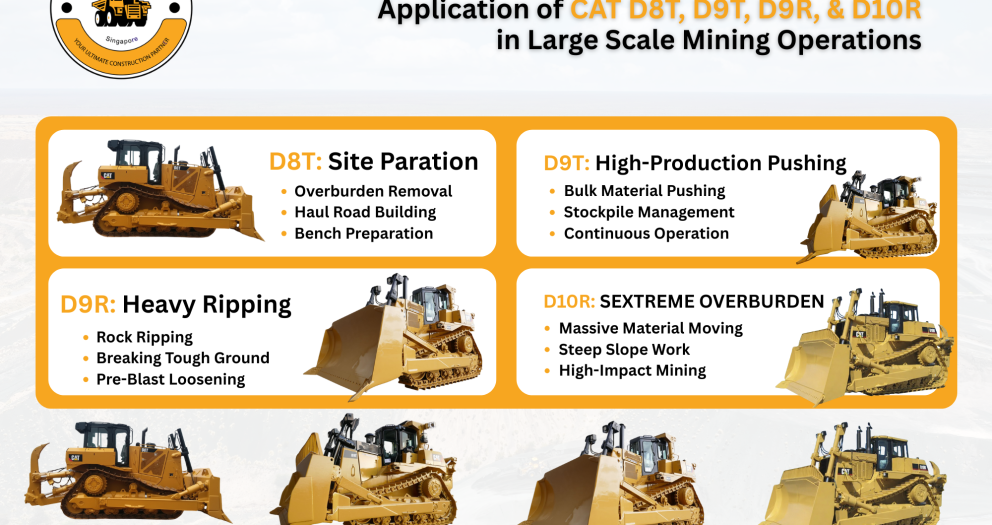
Professional Case Study: Application of CAT D8T, D9T, D9R, and D10R in Large-Scale Mining Operations

  1. Caterpillar D8T – Overburden Management & Site Preparation
    Case Study: Coal Mining Site Development

Case Study: Coal Mining Site Development

Project Scope:
A mid-sized open-pit coal mining operation required efficient removal of overburden and preparation of haul roads before production began.

Role of D8T:
The D8T was deployed for:

  • Stripping topsoil and light overburden
  • Maintaining haul roads
  • Assisting in bench preparation

Result:

  • Improved road conditions reduced truck tire wear
  • Faster site preparation timeline
  • Optimized fuel efficiency for medium-duty pushing tasks

Conclusion:
The D8T proved ideal for balanced power, maneuverability, and cost-effective ground preparation.

  1. Caterpillar D9T – High-Production Pushing in Mining

Case Study: Large Open-Pit Nickel Mine

Project Scope:
A high-production mining site required continuous heavy pushing of blasted material toward loading zones.

Role of D9T:

  • Moving large volumes of overburden
  • Assisting in stockpile management
  • Maintaining productivity during peak shifts

Result:

  • Reduced material handling time
  • Increased operational consistency
  • Lower cost per BCM (Bank Cubic Meter)

Conclusion:
The D9T provided the ideal balance between power and operational efficiency for continuous mining production.

  1. Caterpillar D9R – Heavy Ripping & Material Loosening

Case Study: Hard Rock Quarry Operation

Project Scope:
A quarry operation faced extremely compacted rock layers requiring pre-blasting ripping.

Role of D9R:

  • Equipped with multi-shank ripper
  • Breaking compacted rock before excavation
  • Assisting loaders by loosening material

Result:

  • Reduced drilling and blasting costs
  • Improved loading efficiency
  • Increased daily production output

Conclusion:
The D9R delivered reliable heavy-duty ripping performance under extreme conditions.

  1. Caterpillar D10R – Extreme High-Impact Mining Applications

Case Study: Large-Scale Overburden Removal Project

Project Scope:
A major copper mining project required the movement of massive volumes of dense overburden material in extreme terrain.

Role of D10R:

  • High-capacity blade for large material displacement
  • Continuous heavy pushing under steep slope conditions
  • Supporting primary production targets

Result:

  • Significant increase in production rate
  • Improved cycle efficiency
  • Strong durability in abrasive environments

Conclusion:
The D10R excelled in maximum production environments requiring superior pushing power and structural durability.

Comparative Summary

Model: CAT D8T

  • Best Application: Site prep & medium-duty pushing
  • Strength: Fuel efficiency & versatility
    Model: D9T
  • Best Application: High-production pushing
  • Strength: Balanced power & efficiency
    Model: D9R
  • Best application: Hard ripping & heavy ground
  • Strength: Durable ripping performance
    Model: D10R
  • Best Application: Extreme large scale-mining
  • Strength: Maximum pushing capacity

Final Professional Insight

In large-scale mining operations, selecting the correct bulldozer model directly impacts productivity, operational cost, and project timelines.

D8T = Efficient groundwork specialist
D9T = Production-driven workhorse
D9R = Heavy-duty ripper for tough terrain
D10R = High-capacity powerhouse for extreme mining

Strategic fleet combination of these units ensures optimized performance across different mining phases—from preparation to peak production.

WHY DRILLING MACHINES SHOULD WORK TOGETHER WITH DOZERS

  1. Surface Preparation for Safe & Accurate Drilling

Before a drilling machine starts operating, the ground must be stable, compact, and properly leveled to ensure optimal performance. A dozer plays a critical role in preparing the surface by clearing debris, removing loose rocks, pushing away unwanted materials, and creating a solid, even working platform. This preparation is essential because uneven or unstable ground can negatively affect drilling precision and machine stability.

By ensuring that the surface is well-prepared, the dozer helps improve drilling accuracy, maintain proper alignment of blast holes, and minimize mechanical strain on the drilling equipment. In addition, a properly conditioned surface significantly reduces operational risks, preventing unexpected machine movement, slippage, or structural stress during drilling operations.


  1. Higher Productivity in Mining Operations

In mining projects, drilling and dozing activities are closely connected and must operate in coordination to achieve maximum efficiency. While the drilling machine focuses on creating blast holes according to the mine plan, the dozer supports the operation by managing overburden, maintaining haul roads, assisting in bench shaping, and clearing previously blasted materials.

This synchronized workflow prevents operational bottlenecks and ensures that each stage of the mining cycle runs smoothly. When drilling and dozing operations are aligned, material handling becomes more efficient, equipment idle time is reduced, and overall production targets can be achieved faster. As a result, site productivity increases significantly, contributing to better operational performance across the entire mining area.


  1. Improved Safety in Harsh Environments

Mining and large-scale earthmoving projects often take place in harsh and challenging environments where terrain conditions are uneven, rocky, and unstable. Such conditions can slow down drilling activities and increase the risk of accidents or equipment damage.

A dozer enhances safety by stabilizing the working area, compacting loose ground, removing hazardous obstacles, and creating safer access routes for drilling machines and supporting equipment. By improving ground conditions and site accessibility, the dozer reduces the likelihood of slips, rollovers, and other safety incidents. This proactive ground management contributes to a safer and more controlled working environment for operators and site personnel.


  1. Faster Project Completion

Combining drilling machines with dozers helps streamline site preparation and operational processes, ultimately accelerating project timelines. Instead of relying on manual or slower ground preparation methods, the dozer can quickly condition and level the site, allowing the drilling unit to begin work without unnecessary delays.

This continuous coordination minimizes downtime between operational stages. When drilling machines do not have to wait for surface adjustments, overall workflow becomes more efficient. As a result, project milestones can be reached faster, helping companies meet deadlines and maintain operational momentum.


  1. Cost Efficiency in Large-Scale Projects

Although deploying both drilling machines and dozers may appear to require higher initial investment, the long-term financial benefits are substantial. Working together, these machines improve operational efficiency, reduce idle time, minimize delays, and lower the risk of rework caused by poor ground conditions.

Enhanced coordination also helps optimize fuel usage, reduce equipment wear and tear, and improve resource management across the site. In large-scale mining and earthmoving projects, these efficiency gains translate into significant cost savings over time. Therefore, integrating drilling and dozing operations is not just a practical strategy, but also a smart financial decision that supports sustainable project execution.

Back to Top
Product has been added to your cart