
Best Used Heavy Equipment Trading Company in Singapore

Search

Contact +6581600186 - Yellow Power Pte Ltd

Understanding Bulldozer Overheating and How to Prevent It Effectively

The Reality of Overheating in Heavy Equipment

Overheating is a frequent challenge in bulldozer operations, particularly in demanding environments where machines are expected to perform under constant pressure. A bulldozer engine produces a significant amount of heat during operation, especially when handling heavy loads over long periods. Under normal conditions, this heat is controlled by the cooling system. However, when that system is not functioning optimally, heat begins to accumulate, leading to reduced performance and potential long-term damage. Many operators underestimate how quickly this issue can escalate, assuming it is a minor problem when, in fact, it can halt operations entirely.

Common Causes That Are Often Overlooked

In most cases, overheating is not caused by a single failure but by a combination of smaller issues. One of the most common factors is a dirty or clogged radiator. Dust, mud, and debris can easily block airflow, preventing heat from being released efficiently. Another key issue is coolant condition. Low levels or degraded coolant reduce the system’s ability to absorb and transfer heat away from the engine. Additionally, worn-out fan belts or underperforming cooling fans can limit airflow, especially during continuous operation. These problems may seem minor individually, but together they create a significant impact on engine temperature.

The Impact of Heavy Workload and Operating Conditions

Bulldozers are designed to handle extreme workloads, but even the most durable machines have limits. Continuous operation without adequate rest periods can push the engine beyond its optimal temperature range. This is especially true in hot climates or environments with poor ventilation, where external heat adds to the internal temperature. Operators often focus on productivity and deadlines, unintentionally ignoring the stress placed on the machine. Over time, this can lead to overheating becoming a recurring issue, affecting both efficiency and reliability.

The Role of Maintenance in Preventing Overheating

Consistent maintenance plays a critical role in preventing overheating problems. Simple actions such as regularly cleaning the radiator, checking coolant levels, and inspecting cooling components can significantly reduce risk. Engine oil should also be monitored, as it helps regulate temperature and reduce friction. Neglecting these basic maintenance tasks often leads to more serious mechanical failures that require costly repairs. A well-maintained bulldozer not only runs cooler but also performs more efficiently in the long run.

Practical Steps to Keep Your Bulldozer Running Cool

Preventing overheating does not always require complex solutions. Operators can take practical steps such as scheduling routine inspections, ensuring proper airflow around the engine, and avoiding excessive workloads without breaks. Paying attention to early warning signs such as rising temperature gauges or unusual engine behavior can help address problems before they worsen. Allowing the machine to cool down during extended use is also a simple yet effective habit.

Long-Term Benefits of Proper Temperature Management

Managing engine temperature effectively brings long-term advantages. It helps extend the lifespan of the bulldozer, reduces unexpected downtime, and lowers maintenance costs. More importantly, it ensures that the equipment remains reliable in critical operations. By understanding the causes of overheating and taking preventive measures, operators and maintenance teams can protect their investment and maintain consistent performance in even the toughest working conditions.
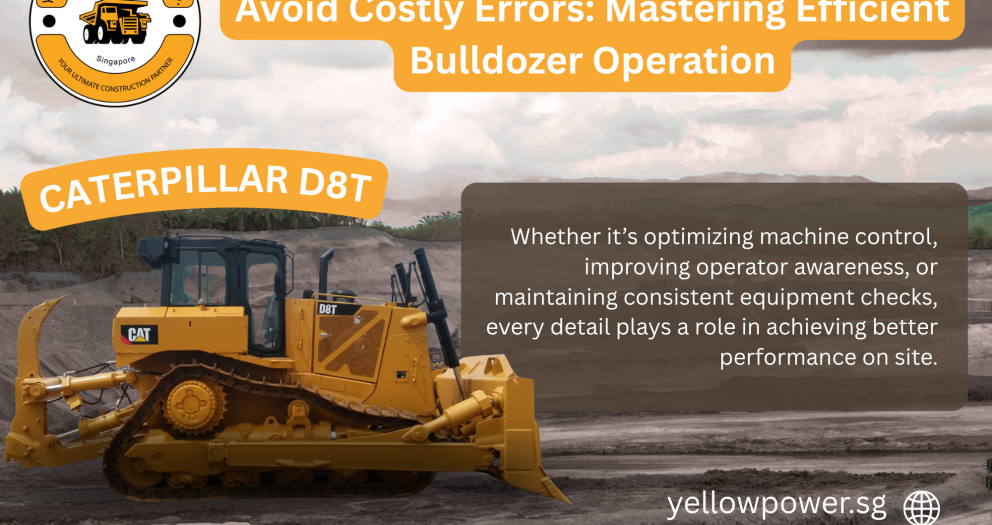
Common Mistakes in Bulldozer Operation You Should Avoid

The Importance of Proper Bulldozer Operation

Bulldozers are indispensable assets in modern heavy earthmoving operations, forming the backbone of activities such as land clearing, grading, and large-scale site preparation. Their ability to move vast amounts of material efficiently makes them a critical component in construction and mining projects. However, even the most advanced and powerful bulldozers can fall short of expectations when not operated correctly. In reality, it is often not major mechanical failures that reduce performance, but rather small, frequently overlooked mistakes in day-to-day operations. These seemingly minor errors can gradually lead to reduced productivity, higher fuel consumption, and accelerated wear on essential machine components. Over time, the cumulative effect of these inefficiencies can significantly increase operational costs and disrupt overall project timelines, ultimately affecting profitability and performance.

Common Mistakes That Impact Performance

A wide range of common operational mistakes can negatively impact bulldozer performance, many of which are entirely preventable with the right knowledge and discipline. Improper blade handling, for instance, can result in uneven grading, material spillage, and unnecessary rework. Inefficient pushing techniques such as overloading the blade or using incorrect travel paths can increase cycle times and fuel consumption while placing additional strain on the machine. Furthermore, neglecting routine maintenance, including regular inspections and timely servicing, can allow minor issues to develop into serious mechanical problems. These mistakes not only reduce efficiency but also increase the likelihood of unexpected downtime, which can be costly in high demand projects. Addressing these issues requires a combination of proper training, operational awareness, and a commitment to best practices on site.

Understanding the Root Causes of Inefficiency

To effectively minimize these mistakes, it is essential to understand the underlying causes of inefficiency in bulldozer operations. In many cases, these issues stem from insufficient operator training, lack of clear operational planning, or inconsistent work habits. Without proper guidance, operators may develop inefficient techniques that negatively impact performance over time. Additionally, poor coordination on site can lead to unnecessary machine movement and wasted effort. By identifying and addressing these root causes, companies can implement more structured and efficient workflows. Investing in operator training, establishing clear operational procedures, and promoting consistent performance standards can significantly enhance productivity. Even small adjustments such as improving blade control, optimizing work patterns, and scheduling regular maintenance can deliver measurable improvements in efficiency and equipment longevity.

Practical Solutions for Better Performance

Improving bulldozer performance does not always require major changes; often, it is the consistent application of practical solutions that makes the biggest difference. This includes adopting proper operating techniques, such as maintaining optimal blade angles, avoiding excessive load, and planning efficient push routes. Regular maintenance should also be prioritized to ensure that the machine remains in peak condition. By focusing on these practical steps, companies can reduce downtime, lower operating costs, and improve overall workflow efficiency. A well operated and well maintained bulldozer not only performs more effectively but also contributes to a safer and more productive job site environment.

Achieving Long Term Operational Success

In today’s highly competitive construction and mining industries, achieving long-term success requires a strong focus on both productivity and risk management. Avoiding common bulldozer operation mistakes is a critical part of this process. By improving operator awareness, maintaining equipment consistently, and continuously refining operational strategies, businesses can ensure more reliable and efficient performance across all projects. Ultimately, the ability to identify and address these common pitfalls is not just an advantage it is a necessity. Companies that prioritize efficiency, precision, and reliability will be better positioned to meet project demands, control costs, and maintain a sustainable competitive edge in the industry.

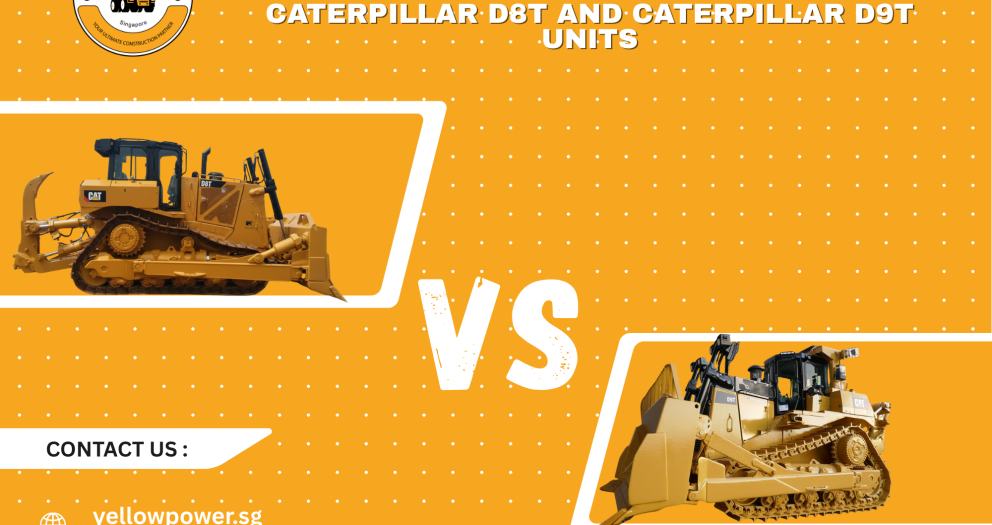
Comparison and Similarities Between Caterpillar D8T and Caterpillar D9T

The Caterpillar D8T and Caterpillar D9T are two of the most trusted crawler dozers in the heavy equipment industry. Both machines are built for demanding environments such as mining, landfill operations, land clearing, and large-scale earthmoving projects. While they share many similarities in design philosophy and durability, each model is tailored for a different level of workload and productivity.

What They Have in Common

Both the D8T and D9T are engineered with durability and efficiency in mind. They feature powerful engines, strong undercarriage systems, and solid ground contact to ensure stability in tough terrain. These machines are designed to handle continuous heavy-duty operations while maintaining reliable performance.

Other shared strengths include:

  • Excellent traction and pushing power
  • Heavy-duty frames built for harsh environments
  • Proven reliability in mining and waste handling applications
  • Strong resale value in the used equipment market

In short, both models are built to perform under pressure.


Caterpillar D8T – Efficient and Versatile

The D8T is often considered the perfect balance between power and operating cost. It delivers strong torque while maintaining better fuel efficiency compared to larger-class dozers. This makes it a smart choice for contractors who need solid performance without excessive fuel consumption.

The D8T is well suited for:

  • Medium-scale mining operations
  • Landfill and recycling facilities
  • Road construction and site preparation
  • Land clearing projects

Its stability and cost-effectiveness make it ideal for operations that require consistent productivity but do not demand extreme horsepower.


Caterpillar D9T – Built for Maximum Productivity

The D9T steps up in size, horsepower, and overall output. Designed for large-scale mining and heavy earthmoving, it offers greater pushing capacity and higher production rates. Its reinforced structure and powerful engine allow it to perform efficiently in the toughest working conditions.

The D9T is typically preferred for:

  • Large-scale mining operations
  • Overburden removal
  • High-volume earthmoving
  • Projects requiring maximum daily production

If your operation demands higher output and can justify the increased operating cost, the D9T delivers next-level productivity.


Which One Should You Choose?

The decision between the D8T and D9T ultimately comes down to project scale and production targets.

  • Choose the D8T if you need a cost-efficient, stable, and reliable machine for medium-scale operations.
  • Choose the D9T if your project requires higher horsepower, larger blade capacity, and maximum productivity in challenging conditions.

Both machines are proven performers — the right choice depends on how much power and production your project truly needs.

Back to Top
Product has been added to your cart