Introduction
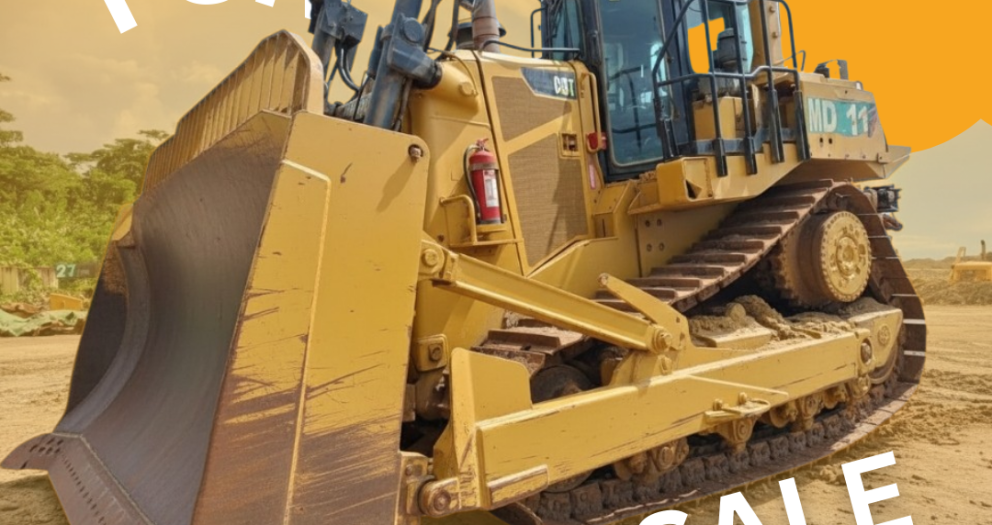
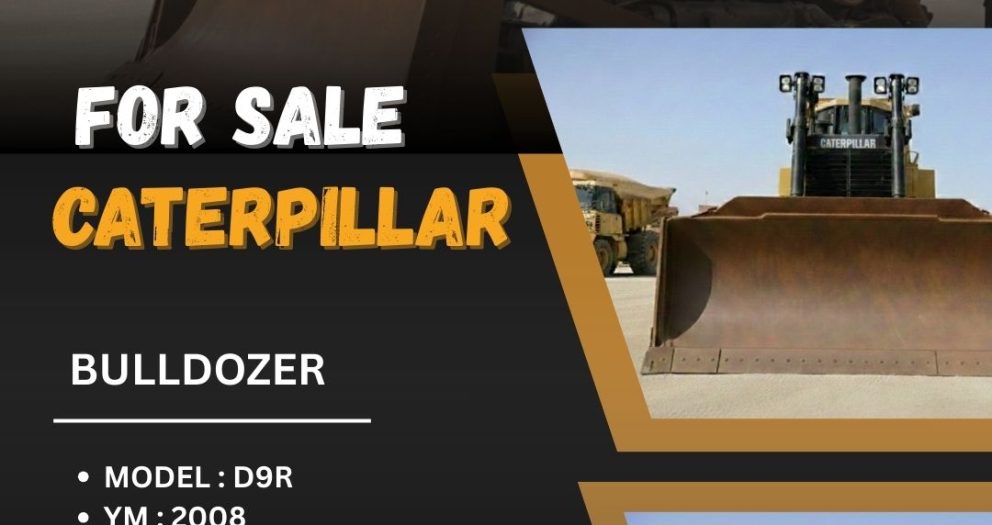
The Caterpillar D9R is a heavy-duty track-type bulldozer designed for high-production work in mining, large-scale earthmoving, land clearing, and construction projects. Operating this machine professionally requires more than just knowing how to move the blade forward and backward. A skilled operator understands machine behavior, load management, ground conditions, safety awareness, and preventive maintenance.
This article provides a detailed, practical, and field-oriented guide on how to operate a CAT D9R professionally and how to maintain it properly so the unit stays productive, safe, and reliable over the long term.
Understanding the CAT D9R
Before operating the unit, it’s important to understand what you’re working with:
- Engine: CAT 3408C diesel engine
- Operating Weight: ±49 tons (depending on configuration)
- Power Output ±410 HP
- Transmission: Powershift planetary transmission
- Undercarriage: Track-type with heavy-duty rollers, idlers, and sprockets
- Blade Types: Semi-U (SU), Universal (U), Straight (S)
Knowing the machine’s capacity and limitations is key to operating it efficiently and avoiding unnecessary wear.
Pre-Operation Inspection (Daily Check)
A professional operator never skips the walk-around inspection. This is the first step to preventing downtime.
- Visual Inspection
- Check for oil leaks around the engine, transmission, final drives, and hydraulic lines
- Inspect hoses and fittings for cracks or looseness
- Look for loose bolts, damaged guards, or abnormal wear
- Fluid Levels
- Engine oil
- Coolant level (radiator and reservoir)
- Hydraulic oil
- Transmission oil
- Final drive oil
Always top up using the recommended CAT fluids.
- Undercarriage Check
- Track tension (not too tight, not too loose)
- Condition of track shoes
- Wear on rollers, idlers, and sprockets
- Remove mud, rocks, or debris stuck in the undercarriage
- Cab and Controls
- Check seat adjustment and seatbelt
- Test warning lights and gauges
- Ensure joysticks, pedals, and levers move smoothly
- Verify backup alarm and horn function
Starting the CAT D9R Properly
- Make sure the transmission is in neutral
- Engage the parking brake
- Turn the key and allow the engine to warm up at low idle
- Monitor oil pressure, temperature, and warning indicators
Never rush the warm-up process. Cold operation increases engine and hydraulic wear.
Professional Operating Techniques
- Blade Control and Load Management
- Do not overload the blade; let the machine work, not fight the material
- Use smooth blade movements to maintain traction
- Keep the blade slightly above ground when traveling long distances
Professional operators read the material—hard ground, soft soil, or rocky terrain all require different blade angles and depths.
- Dozing Technique
- Start with a shallow cut
- Gradually increase blade depth
- Maintain steady engine RPM
- Avoid spinning tracks; traction loss equals undercarriage damage
For long pushes, use a slot dozing technique to reduce resistance and improve efficiency.
- Turning and Maneuvering
- Avoid sharp pivot turns whenever possible
- Use gradual turns to protect the undercarriage
- Never turn aggressively on hard surfaces
Smart turning extends track life significantly.
- Working on Slopes
- Always work straight up or down the slope
- Avoid side-hill operation if possible
- Keep the blade low for stability
- Reduce speed and maintain control
Safety always comes before production.
Shutdown Procedure
- Park the machine on level ground
- Lower the blade fully to the ground
- Allow the engine to idle for 3–5 minutes to cool down
- Engage parking brake
- Shut off the engine
This procedure protects the turbocharger and engine components.
Proper Maintenance Practices
- Daily Maintenance
- Clean the radiator and cooling system
- Grease all lubrication points
- Drain water from fuel separators
- Inspect air filters
- Weekly Maintenance
- Check battery condition and terminals
- Inspect track alignment
- Check blade pins, bushings, and wear plates
- Inspect hydraulic cylinder rods for scoring or leaks
- Periodic Maintenance
Follow Caterpillar’s service interval schedule:
- Engine oil and filter replacement
- Transmission and hydraulic oil analysis
- Final drive inspection
- Undercarriage measurement (wear percentage)
Oil sampling (SOS) is highly recommended to detect early component wear.
Undercarriage Care (Critical for Cost Control)
Best practices:
- Maintain correct track tension
- Avoid unnecessary high-speed travel
- Clean undercarriage daily
- Match track shoes to ground conditions
- Avoid spinning tracks
A professional operator treats the undercarriage with respect.
Operator Mindset: What Separates Professionals
A professional CAT D9R operator:
- Operates smoothly, not aggressively
- Listens to engine and machine feedback
- Communicates with supervisors and maintenance teams
- Stops work when abnormal sounds or warnings appear
- Understands that machine care equals job security
The best operators are not the fastest, but the most consistent and disciplined.
Conclusion
Operating a CAT D9R professionally is a combination of technical knowledge, experience, and attitude. By following proper operating techniques and disciplined maintenance routines, you can maximize productivity, extend machine life, reduce operating costs, and ensure safe working conditions.
A well-operated CAT D9R is not just powerful—it’s reliable, efficient, and profitable.