Best Used Heavy Equipment Trading Company in Singapore

Search

Contact +6581600186 - Yellow Power Pte Ltd

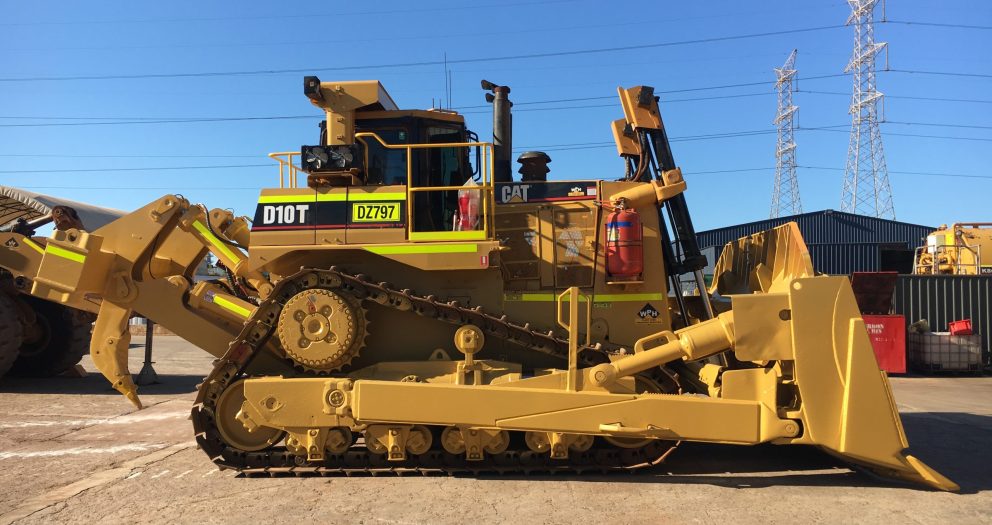
For SALE Used Caterpillar D10T Crawler Dozer

Are you looking for a heavy-duty dozer that delivers unmatched power and performance? Look no further! We're offering a well-maintained Caterpillar D10T Dozer that's ready to tackle your toughest jobs with ease.

Specifications:

  • Engine Model: Caterpillar C27 ACERT
  • Horsepower: 580 HP
  • Operating Weight: 154,000 lbs
  • Blade Type: Semi-U Blade
  • Additional Features: Ripper attachment, ROPS cab, Air conditioning

Condition and Maintenance History:

This Caterpillar D10T Dozer is in excellent condition, with low hours of usage. It has been meticulously maintained and serviced regularly by certified technicians. Recent maintenance includes a full engine tune-up and comprehensive inspection.

Performance:

Built for maximum productivity, this dozer boasts exceptional performance in various terrains and applications. Its powerful engine ensures efficient operation, while the semi-U blade and ripper attachment allow for precise earthmoving and land clearing tasks.

Investing in a used Caterpillar D10T Dozer can offer several advantages:

  1. Cost Savings: Purchasing a used dozer typically comes at a lower initial cost compared to buying new. This can provide significant savings, especially for businesses or individuals looking to expand their fleet or acquire heavy equipment on a budget.
  2. Depreciation: Heavy equipment like the Caterpillar D10T tends to depreciate more slowly than many other types of machinery. By purchasing used, you may avoid the steepest depreciation period experienced by new equipment owners.
  3. Proven Performance: The Caterpillar D10T is a well-known and respected model in the industry, with a reputation for durability, reliability, and high performance. Buying used allows you to acquire a machine that has already proven its capabilities in real-world conditions.
  4. Immediate Availability: Unlike ordering a new machine, purchasing a used Caterpillar D10T means you can get your equipment up and running quickly. This is especially beneficial if you have urgent project requirements or need to replace a machine that's currently out of commission.
  5. Customization Options: Many used dozers may come with aftermarket attachments or modifications that can enhance their versatility for specific applications. This customization can be a cost-effective way to tailor the machine to your unique needs.
  6. Familiarity and Support: The Caterpillar brand is known for its widespread availability of parts, service, and support. By purchasing a used Caterpillar D10T, you can benefit from existing dealer networks, technical expertise, and readily available replacement parts.
  7. Environmental Impact: Opting for a used dozer can also be more environmentally friendly, as it reduces the demand for new manufacturing and the associated resources and energy consumption.

Overall, buying a used Caterpillar D10T can be a smart investment for those looking to acquire reliable heavy equipment with proven performance while also maximizing cost-effectiveness and minimizing downtime.

Price and Contact Information:

Asking Price: $XXX,XXX

For more information please contact us at info@yellowpower.sg

Six Key Considerations when Purchasing used Equipment

Once you’ve decided on the perfect make and model of machinery to add to your fleet, the next step is to find the ideal machine that will serve you well for years to come. To do this, you need to know what to look for when buying used heavy equipment. Put together an inspection checklist to make sure you’re buying a top-quality machine that’s been well-maintained. When starting your inspection, keep in mind the following things to consider when buying used construction equipment

Condition and Maintenance History:

Assess the condition of the equipment thoroughly. Look for signs of wear and tear, damage, or any potential issues. Request maintenance records to understand how well the equipment has been cared for in the past. Regular maintenance indicates the previous owner's commitment to upkeep, which can be a good sign of reliability.

Age and Usage:

Understand the age of the equipment and how extensively it has been used. Older equipment may be more prone to breakdowns or may not meet current industry standards or regulations. Consider the number of hours it has been in operation and compare it to the typical lifespan of similar equipment.

Source and Reputation of Seller:

Purchase from reputable sellers or sources. This could be a trusted dealer, auction house, or online marketplace with a history of selling quality used equipment. Research the seller's reputation, read reviews, and ask for references if necessary.

Cost vs. Value:

Assess the cost of the used equipment in relation to its value. Consider factors such as depreciation, remaining lifespan, and potential maintenance or repair costs. Sometimes, spending a bit more upfront on a higher-quality used item can save you money in the long run by reducing maintenance and downtime costs.

Compatibility and Upgradability:

Ensure that the used equipment meets your specific needs and is compatible with your existing infrastructure. Consider future upgrades or modifications you might need and whether the equipment can accommodate them. Buying equipment with upgrade options can extend its usefulness and lifespan.

Warranty and Support:

Check if there is any remaining warranty on the equipment and what support options are available from the seller or manufacturer. Some sellers offer limited warranties or support for used equipment, which can provide added peace of mind. Additionally, inquire about availability of spare parts and technical support in case issues arise.

What’s the difference between CAT D8R and D8T?

The CAT D8 series is a line of large track-type tractors, commonly known as bulldozers, manufactured by Caterpillar Inc., one of the world's leading manufacturers of construction and mining equipment. The D8 series is renowned for its power, versatility, and durability, making it a staple in various industries, including construction, mining, forestry, and agriculture.

The D8 series has a long history, dating back to the introduction of the first D8 model in the 1930s. Over the years, Caterpillar has continuously updated and improved the D8 series to meet the evolving needs of customers and advancements in technology. These bulldozers are designed for heavy-duty earthmoving tasks, such as pushing and moving large quantities of soil, grading, leveling, and land clearing. They are available in a variety of configurations and sizes to accommodate diverse applications and terrains.

CAT D8R vs D8T

The CAT D8R and D8T are both models of Caterpillar's renowned D8 series of bulldozers, but they have several differences, mainly in terms of performance, technology, and features. Here's a comparison:

  1. Model Year and Generation:
    • The D8R is an earlier model, introduced in the late 1990s and early 2000s.
    • The D8T is a newer model, introduced in the late 2000s and has undergone several updates since then.
  2. Engine:
    • The D8R typically comes with a Caterpillar 3406C engine, which is Tier 2 compliant.
    • The D8T is equipped with a newer engine, often a Caterpillar C15 ACERT engine, which meets Tier 4 Final emissions standards. It offers improved fuel efficiency and reduced emissions compared to the older engine.
  3. Performance:
    • The D8T generally offers higher performance than the D8R, with increased power, torque, and efficiency due to advancements in engine technology and hydraulic systems.
    • The D8T may have features like Eco Mode, which optimizes fuel consumption without sacrificing performance.
  4. Transmission and Controls:
    • The D8R typically comes with a powershift transmission and conventional controls.
    • The D8T often features an advanced electronically controlled transmission, such as CAT's Differential Steering System (DSS), which provides smooth and precise control, especially in challenging terrain.
  5. Technology and Features:
    • The D8T may incorporate advanced technology such as CAT Grade Control, AccuGrade, or Grade with 3D, which enhance precision and productivity in grading and leveling tasks.
    • The D8T might have improved operator amenities and comfort features compared to the D8R.
  6. Maintenance and Serviceability:
    • The D8T may have improved serviceability features, such as easier access to components and enhanced diagnostic capabilities, compared to the D8R.
  7. Cost:
    • Generally, the D8T, being a newer and more advanced model, may have a higher initial purchase cost compared to the D8R. However, factors like fuel efficiency and productivity improvements can impact the overall cost of ownership over time.

In summary, while both the CAT D8R and D8T are powerful and reliable bulldozers, the D8T offers several advancements in technology, performance, and emissions compliance compared to the older D8R model.

Buy Cheap Used Komatsu HD785-7 in Singapore

Yellowpower.sg - Best heavy equipment in Singapore. Are you looking for the best and cheapest used heavy equipment in Singapore? If so, you might be wondering where to find the best company for it. Yellow Power Pte Ltd is one of the best heavy equipment companies in Singapore, and we provide used equipment trading like excavators, dump trucks, off-highway truck, wheel loaders, rollers, dozers, drilling, and diesel.

Komatsu HD785-7

The Komatsu HD785-7 is a large off-highway truck designed and manufactured by Komatsu, a leading construction and mining equipment company. It's part of their HD785 series, which is known for its high performance and durability in demanding work environments like mines and large construction sites.

The HD785-7 features a powerful engine, robust chassis, and a large payload capacity, making it suitable for hauling heavy loads over long distances. It's equipped with advanced technology for efficient operation and enhanced safety, including Komatsu's innovative monitoring and control systems.

Overall, the HD785-7 is a reliable workhorse for industries requiring heavy-duty hauling capabilities, offering efficiency, reliability, and durability to meet the demands of tough job sites.

Used Komatsu HD785-7 in Singapore for SALE

Browse a wide selection of used KOMATSU HD785-7 in Singapore Construction Equipment for sale at Yellow Power Pte Ltd. Good working performance. Fast Delivery. Global Supply & Competitive Price.

The product is already in a state of maintenance and is ready for use. There are several units with different years of production. Should you be interested in purchasing, please contact us at info@yellowpower.sg.

How to decide to buy Used vs New Heavy Equipment

Yellowpower.sg - Heavy equipment buyers have a lot to think about: new or used? Both new and used equipment have different benefits for all types of organizations and all kinds of equipment, from wheel loaders and telehandlers to scrapers and motor graders. The best way to buy for your business will depend on a lot of different things, like your financial situation, how much risk you can handle, and what you want to achieve.

It doesn't matter if you're buying used or new equipment—you want to make an informed decision. Looking at the pros and cons of each type of equipment can help you choose the right option for your business. Let's break down the pros and cons of both options to make the process easier.

Pros and Cons of Buying New and Used Heavy Equipment:

Buying New Heavy Equipment:

Pros:

  1. Reliability: New equipment typically comes with warranties and guarantees from the manufacturer, ensuring reliability and reducing the risk of unexpected breakdowns or failures.
  2. Latest Technology: New equipment often incorporates the latest technological advancements, including improved fuel efficiency, safety features, and enhanced performance, which can lead to increased productivity and cost savings over time.
  3. Customization: Purchasing new equipment allows for customization to fit specific needs and preferences, including selecting features, attachments, and configurations tailored to your projects.
  4. Longer Lifespan: New heavy equipment generally has a longer remaining lifespan compared to used equipment, providing many years of service before requiring replacement, especially if well-maintained.
  5. Higher Resale Value: While new equipment depreciates initially, it may retain a higher resale value over the long term compared to used equipment, which can be advantageous if you plan to sell or trade it in the future.
  6. Financing Options: Manufacturers and dealers often offer attractive financing options for new equipment purchases, including low-interest rates, flexible terms, and special promotions, making it easier to manage cash flow.

Cons:

  1. Higher Initial Cost: New heavy equipment comes with a higher upfront cost compared to used equipment, which can strain budgets, especially for small businesses or startups.
  2. Depreciation: New equipment depreciates rapidly in the initial years of ownership, losing a significant portion of its value, which can impact overall investment and resale value.
  3. Limited Availability: Depending on the manufacturer and model, there may be limited availability of new equipment, especially for specialized or custom-built machinery, resulting in longer lead times for delivery.
  4. Unknown Performance: Despite warranties and assurances, the performance of new equipment in real-world conditions may not always match expectations or specifications, and it may take time to discover and address any issues or limitations.

Buying Used Heavy Equipment:

Pros:

  1. Lower Initial Cost: Used heavy equipment generally comes at a lower upfront cost compared to new equipment, allowing for significant savings, which can be beneficial for businesses with limited budgets.
  2. Immediate Availability: Used equipment is often readily available for purchase, without the need to wait for manufacturing lead times, enabling faster deployment for urgent project requirements.
  3. Known Performance: Since used equipment has been previously operated, its performance characteristics and limitations are often well-known, providing a clearer understanding of its capabilities and suitability for specific tasks.
  4. Reduced Depreciation: Used equipment has already experienced the majority of its depreciation, meaning it may hold its value relatively well over time compared to new equipment, potentially minimizing long-term ownership costs.

Cons:

  1. Higher Maintenance Costs: Used heavy equipment may require more frequent maintenance and repairs due to wear and tear, potentially leading to higher operating costs over time, especially if not properly maintained by previous owners.
  2. Limited Warranty: Unlike new equipment, used equipment may not come with warranties or guarantees, leaving buyers responsible for any repairs or issues that arise after purchase, unless covered by a separate warranty or service agreement.
  3. Potential for Hidden Damage: There's a risk of hidden damage or undisclosed issues when purchasing used equipment, especially if it hasn't been thoroughly inspected or tested, which could result in unexpected repair costs or downtime.
  4. Obsolete Technology: Older used equipment may lack the latest technological advancements, safety features, or environmental regulations compliance found in newer models, potentially limiting productivity and efficiency.
  5. Shorter Remaining Lifespan: Depending on its age, condition, and usage history, used heavy equipment may have a shorter remaining lifespan compared to new equipment, requiring replacement sooner and potentially increasing total ownership costs over time.

Determining the suitable Generator size for your needs

Yellowpower.sg - Determining the suitable generator size for your needs involves considering several factors such as the appliances and devices you want to power, their power requirements, and how long you intend to use the generator.

Getting a generator that can meet all of your power generation needs is one of the most critical aspects of the purchase decision. Whether you are interested in the main power supply or the backup power supply, if your new generator does not meet your specific requirements, it will be of no benefit to anyone as it will cause undue stress or even equipment damage along with the devices connected to it. Unfortunately, accurately determining the size of the generator to obtain is often very difficult and involves many factors and considerations.

Finding out what generator size is suitable for your needs

Here's a step-by-step guide to help you find the right generator size:

List Your Appliances and Devices: Make a list of all the appliances and devices you want to power during an outage or off-grid situation. Include items like lights, refrigerator, microwave, TV, computer, air conditioner, etc.

Determine Power Requirements: Find out the power requirements (in watts) of each appliance and device on your list. You can usually find this information on the appliance label or in the user manual. If the power requirement is listed in amps, you can convert it to watts using the formula: Watts = Volts × Amps.

Calculate Total Power Needed: Add up the power requirements of all the appliances and devices to determine the total power you'll need from the generator. This will give you the peak power requirement.

Consider Starting vs. Running Power: Some appliances, like refrigerators and air conditioners, require more power to start up (starting watts) than they do to run continuously (running watts). Make sure to account for both starting and running power when calculating your total power needs.

Factor in Surge Capacity: Generators often have a surge capacity, which is the additional power they can provide for a short period to accommodate starting surges. Ensure that the generator you choose has enough surge capacity to handle the starting requirements of your appliances.

Account for Future Needs: Consider any potential future additions or changes to your power needs. It's often wise to choose a slightly larger generator than you currently need to accommodate future expansions.

Choose the Right Generator Size: Based on your calculations, select a generator with a power output that comfortably meets or exceeds your total power requirements. Generator sizes are typically measured in watts, ranging from portable units with a few thousand watts to larger standby generators with tens of thousands of watts.

Consider Fuel Type and Runtime: Depending on your preferences and circumstances, choose a generator that runs on a suitable fuel type (gasoline, propane, diesel) and offers a runtime that meets your needs.

Consult with an Expert: If you're unsure about your calculations or need assistance in choosing the right generator size, consider consulting with a qualified electrician or generator specialist. They can provide personalized recommendations based on your specific requirements and circumstances.

By following these steps, you can determine the appropriate generator size to meet your power needs reliably and efficiently.

Tips Before Purchasing Used Heavy Equipment

Yellowpower.sg - Best heavy equipment in Singapore. Before buying used heavy equipment, it's crucial to take several preparatory steps to ensure you're making a well-informed decision. Because buying used heavy equipment can be a significant investment, so it's essential to approach the process carefully.

Here's a comprehensive checklist of what you should do before purchasing:

What we need to do before buying used heavy equipment?

  1. Define Your Requirements: Clearly outline the type, size, capacity, and specifications of the equipment you need. Consider factors such as the intended use, terrain, environmental conditions, and any specific features or attachments required.
  2. Research Equipment Options: Research different makes, models, and brands of the equipment you're interested in. Compare specifications, features, performance, and reliability to identify the most suitable options for your needs.
  3. Set a Budget: Determine your budget for purchasing the used equipment, including any additional costs for transportation, taxes, inspections, and potential repairs. Be realistic about what you can afford and factor in ongoing maintenance and operational costs.
  4. Identify Sellers: Research reputable sellers or dealerships known for selling quality used heavy equipment. Consider both local dealerships and online marketplaces where used equipment is listed for sale.
  5. Inspect Listings: Browse listings of used equipment available for sale, either online or through local dealerships. Take note of equipment condition, specifications, pricing, and seller reputation.
  6. Ask Questions: Contact sellers or dealerships to ask questions about the equipment listed for sale. Inquire about the equipment's history, maintenance records, usage hours, any known issues or repairs, and reasons for selling.
  7. Schedule Inspections: If possible, schedule inspections of the equipment you're interested in. Inspect the equipment in person or hire a professional inspector to assess its condition, functionality, and overall performance.
  8. Review Maintenance Records: Request maintenance records and service history for the equipment you're considering. Reviewing maintenance records can provide valuable insights into the equipment's care, usage, and any past issues or repairs.
  9. Test Equipment Functionality: Test the equipment's functionality by operating it or arranging for a demonstration. Check all essential functions, controls, hydraulics, and attachments to ensure everything is in working order.
  10. Evaluate Wear and Tear: Assess the equipment for signs of wear and tear, damage, rust, leaks, and any visible defects. Pay attention to critical components such as the engine, transmission, hydraulic system, undercarriage, and attachments.
  11. Verify Ownership and Title: Verify ownership and ensure that the seller has clear title to the equipment. Request documentation such as the title, registration, or bill of sale to confirm legal ownership and transfer of ownership upon purchase.
  12. Negotiate Price and Terms: Negotiate the price and terms of the sale based on your inspection findings, research, and budget. Use your assessment of the equipment's condition and market value as leverage during negotiations.
  13. Arrange Transportation and Delivery: Plan for transportation and delivery of the equipment to your location. Coordinate logistics, shipping arrangements, and any necessary permits or approvals for moving heavy machinery.
  14. Finalize Purchase Agreement: Once you're satisfied with the equipment and negotiated terms, finalize the purchase agreement. Review all contract terms, warranties, and payment arrangements before signing.
  15. Complete Payment and Transfer: Make payment for the equipment according to the agreed-upon terms. Ensure that all paperwork, documentation, and transfer of ownership are completed accurately and legally.

By following these steps and conducting thorough due diligence, you can minimize risks and make an informed decision when purchasing used heavy equipment.

Yellow Power Pte Ltd offers best used heavy equipment in Singapore. We sell in good condition and ready for use. Our mechanic maintenance well for all the product before selling. To know more information about the equipment please contact us at info@yellowpower.sg

11 Tips to Maintain a Wheel Loader

Yellowpower.sg - Best heavy equipment in Singapore. A wheel loader is a type of heavy equipment that is commonly used in construction, mining, agriculture, and other industries. Its purpose is to scoop up, transport, and load materials such as dirt, gravel, sand, and debris into trucks, hoppers, or other containers.

Wheel loaders come in various sizes and configurations to suit different applications, from small compact loaders used in landscaping to large loaders employed in mining operations. They play a vital role in many industries by increasing efficiency and productivity in material handling tasks.

How to Maintain a Wheel Loader

Maintaining a wheel loader is crucial for ensuring its optimal performance, longevity, and safety. Here are 11 general maintenance tips for wheel loaders :

  1. Regular Inspections: Perform daily pre-operational inspections to check for any visible signs of damage, leaks, or wear and tear. Inspect tires, hydraulic hoses, buckets, and other components for any issues.
  2. Fluid Levels: Check and maintain proper levels of engine oil, hydraulic fluid, coolant, and other fluids as recommended by the manufacturer. Ensure that there are no leaks in the hydraulic system.
  3. Filters: Regularly inspect and replace air, fuel, and hydraulic filters according to the manufacturer's recommendations. Clean or replace clogged filters promptly to prevent engine damage and maintain optimal performance.
  4. Greasing: Grease all grease fittings at specified intervals to ensure smooth operation of moving parts and to prevent premature wear. Pay special attention to pivot points, linkage joints, and wheel bearings.
  5. Tire Maintenance: Check tire pressure regularly and adjust as needed to ensure even wear and optimal traction. Inspect tires for cuts, punctures, or abnormal wear patterns, and replace them if necessary.
  6. Lubrication: Ensure proper lubrication of all moving parts, including loader arms, bucket linkage, and articulation joints. Use high-quality lubricants recommended by the manufacturer.
  7. Cleaning: Keep the wheel loader clean, both inside and out, to prevent dirt, debris, and contaminants from causing damage or interfering with the machine's operation. Clean radiators, cooling fins, and air intake filters regularly to prevent overheating.
  8. Electrical System: Check the battery, cables, and electrical connections regularly for corrosion, damage, or loose connections. Clean terminals and tighten connections as needed to ensure reliable starting and operation.
  9. Brakes: Inspect brake components, including pads, discs, and hydraulic systems, for wear and proper function. Replace worn brake parts and adjust brake systems as needed to maintain safe braking performance.
  10. Documentation: Keep detailed records of maintenance activities, including inspections, repairs, and parts replacements. Follow the manufacturer's maintenance schedule and recommendations outlined in the operator's manual.
  11. Training: Ensure that operators are properly trained in the safe and efficient operation of the wheel loader and understand the importance of regular maintenance practices.

By following these maintenance tips and adhering to the manufacturer's recommendations, you can keep your wheel loader in top condition, minimize downtime, and extend its service life. Regular maintenance not only ensures optimal performance but also contributes to safety in the workplace.

Best Heavy Equipment Brand – Komatsu or Caterpillar?

Yellowpower.sg - Choosing between Komatsu and Caterpillar for heavy equipment depends on various factors including the specific needs of the project, budget constraints, availability of equipment, dealer support, and personal preferences. Both Komatsu and Caterpillar are reputable manufacturers with a long history of producing high-quality heavy equipment used in construction, mining, forestry, and other industries. Here are some considerations for each:

Komatsu:

  1. Innovation: Komatsu is known for its innovative technologies in heavy equipment, including autonomous haulage systems and intelligent machine control, which can improve productivity and efficiency on job sites.
  2. Fuel Efficiency: Komatsu machines are often praised for their fuel efficiency, which can lead to cost savings over the lifetime of the equipment, especially in large-scale projects where fuel consumption is a significant expense.
  3. Reliability: Komatsu equipment is generally known for its reliability and durability, with many users reporting long service lives and minimal downtime.
  4. Dealer Support: Depending on your location, the availability and quality of dealer support for Komatsu equipment may vary. It's essential to consider the proximity of authorized service centers and parts availability when making your decision.

Caterpillar:

  1. Global Presence: Caterpillar has a vast global network of dealers and service centers, making it easier to find support and parts almost anywhere in the world. This can be a significant advantage for projects in remote locations or international settings.
  2. Resale Value: Caterpillar equipment often maintains a high resale value, which can be advantageous if you plan to sell or trade the equipment in the future.
  3. Product Range: Caterpillar offers a wide range of heavy equipment for various applications, including construction, mining, agriculture, and more. This diversity may provide more options to meet specific project requirements.
  4. Brand Reputation: Caterpillar has built a strong reputation over many decades as a leading manufacturer of heavy equipment, which can instill confidence in buyers regarding the quality and performance of their products.

Ultimately, the best choice between Komatsu and Caterpillar will depend on your unique circumstances, project requirements, and priorities. It's essential to thoroughly research both brands, consider your specific needs, and perhaps even consult with industry experts or equipment specialists before making a decision.

How to maintenance Komatsu Excavator PC1250-8R?

Yellowpower.sg | Best Heavy equipment in Singapore. Maintaining an excavator is essential for keeping it in optimal working condition and extending its lifespan. Excavator requires specific attention to its components and systems. Here's a detailed maintenance guide for the PC1250-8R:

Maintenance guide for the PC1250-8R

  1. Follow Manufacturer Guidelines:
    • Refer to the Komatsu PC1250-8R operation and maintenance manual for specific maintenance intervals and procedures recommended by the manufacturer.
  2. Daily Inspections:
    • Conduct daily pre-operational checks, including inspecting for leaks, loose bolts, damaged hoses, and worn-out parts.
    • Check fluid levels, including hydraulic fluid, engine oil, coolant, and fuel.
  3. Undercarriage Maintenance:
    • Monitor track tension and adjust it as needed according to the manufacturer's specifications.
    • Inspect and replace worn track pads, rollers, idlers, and sprockets.
    • Keep the undercarriage clean to prevent debris buildup.
  4. Hydraulic System:
    • Check hydraulic hoses, fittings, and connections for leaks, wear, and damage.
    • Monitor hydraulic fluid levels and quality. Replace hydraulic fluid and filters as recommended by Komatsu.
    • Inspect hydraulic cylinders for leaks and proper operation.
  5. Engine Maintenance:
    • Change engine oil and filters at regular intervals according to Komatsu's recommendations.
    • Inspect the air filter regularly and replace it when necessary.
    • Check the cooling system for leaks, proper coolant level, and cleanliness. Clean or replace the radiator as needed.
  6. Greasing:
    • Grease all pivot points, joints, and bearings following the manufacturer's guidelines.
    • Pay special attention to the swing bearing, bucket pivot points, and hydraulic cylinder pins.
  7. Electrical System:
    • Inspect electrical wiring, connections, and battery terminals for damage and corrosion.
    • Test lights, gauges, and safety features regularly to ensure they are functioning correctly.
  8. Operator Training:
    • Ensure operators are trained in the proper operation and maintenance of the PC1250-8R excavator.
    • Encourage operators to report any abnormal sounds, vibrations, or performance issues promptly.
  9. Documentation:
    • Maintain detailed maintenance records, including service history, repairs, and inspections.
    • Keep track of warranty information and schedule warranty repairs as needed.
  10. Professional Servicing:
    • Schedule regular maintenance with authorized Komatsu service technicians or dealerships.
    • Address any issues promptly to prevent further damage and downtime.

By following these maintenance guidelines specific to the Komatsu PC1250-8R excavator, you can ensure its optimal performance, reliability, and longevity.

Back to Top
Product has been added to your cart