Best Used Heavy Equipment Trading Company in Singapore

Search

Contact +6581600186 - Yellow Power Pte Ltd

Complete Operating Tutorial – Caterpillar D9T

Manufacturer: Caterpillar
Model: D9T
Serial Number: WDM01***


  1. Introduction

The Caterpillar D9T is a heavy-duty track-type tractor designed for high-production dozing, ripping, and earthmoving operations in demanding working conditions. Operating this machine professionally requires a strong understanding of its systems, safe operating practices, and efficient working techniques.

This tutorial provides a complete and practical guide to operating the CAT D9T safely, efficiently, and professionally, following industry best practices and real field experience.


  1. Pre-Start Inspection

Before starting the machine, a thorough walk-around inspection must be performed to ensure the unit is in safe operating condition.

  • Check engine oil, coolant, hydraulic oil, and fuel levels.
  • Inspect the undercarriage (tracks, rollers, idlers, and sprockets) for damage, abnormal wear, or debris.
  • Examine hydraulic hoses, cylinders, and fittings for leaks or loose connections.
  • Ensure all guards, covers, and panels are properly installed and secured.
  • Check the blade and ripper for cracks, excessive wear, or loose pins.
  • Verify that lights, mirrors, handrails, and steps are clean and in good condition.
  • Confirm that the work area around the machine is clear of personnel and obstacles.

  1. Machine Start-Up Procedure
  • Enter the cab using three points of contact at all times.
  • Adjust the operator seat, mirrors, and controls for proper visibility and comfort.
  • Fasten the seat belt before starting the engine.
  • Turn the key to the ON position and allow the system to complete its self-check.
  • Start the engine and let it idle for several minutes to allow oil and hydraulic systems to warm up.
  • Monitor the display panel for normal readings and ensure no warning lights or fault codes are active.

  1. Basic Machine Operation
  • Use smooth and controlled movements when operating the steering and blade controls.
  • Avoid sudden acceleration, sharp turns, or aggressive braking.
  • Maintain proper engine speed according to the task and ground conditions.
  • Always operate the machine in a stable position, especially on slopes or uneven terrain.
  • Keep a safe distance from edges, drop-offs, and other machines in the work area.

  1. Dozing Operation Technique
  • Position the blade square to the material before starting the push.
  • Lower the blade gradually and maintain a consistent cutting depth.
  • Use steady forward movement to keep material flowing in front of the blade.
  • Avoid overloading the blade, which can reduce efficiency and increase component wear.
  • When finishing a pass, raise the blade smoothly and reverse carefully to the starting position.

  1. Ripping Operation Technique
  • Lower the ripper slowly until the shank penetrates the ground.
  • Apply consistent forward pressure and avoid sudden changes in direction.
  • Adjust ripper depth based on material hardness and machine load.
  • Do not force the ripper if excessive resistance is felt; reposition and continue gradually.
  • Raise the ripper completely before turning or reversing.

  1. Safety Operating Practices
  • Always wear required personal protective equipment (PPE).
  • Maintain constant awareness of surrounding personnel and equipment.
  • Never allow unauthorized persons to ride on the machine.
  • Avoid operating the machine under unsafe ground or weather conditions.
  • Follow site-specific safety rules and communication procedures at all times.
  • Use the horn and lights when moving in active work zones.

  1. Shutdown Procedure
  • Park the machine on firm, level ground.
  • Lower the blade and ripper fully to the ground.
  • Allow the engine to idle for a few minutes to stabilize temperatures.
  • Turn off the engine and remove the key.
  • Perform a brief post-operation inspection to identify any leaks or damage.
  • Clean the cab and access steps to maintain safe working conditions.

  1. Professional Operator Tips
  • Operate smoothly and consistently to extend machine life.
  • Listen to the machine; unusual sounds often indicate early problems.
  • Plan each pass efficiently to reduce unnecessary travel and fuel consumption.
  • Maintain clear communication with supervisors and spotters.
  • Treat the machine as a production asset—proper operation directly impacts productivity and maintenance costs.

  1. Conclusion

Professional operation of the Caterpillar D9T requires discipline, awareness, and respect for the machine’s capabilities. By following the procedures and techniques outlined in this tutorial, operators can achieve optimal performance, maintain high safety standards, and ensure long-term reliability of the equipment.
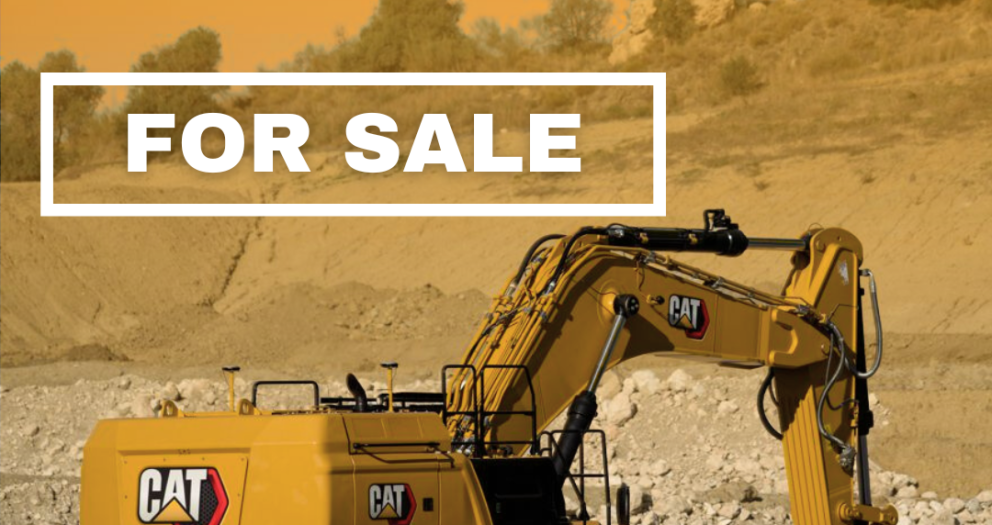
How To Operate The CAT 374FL, From The Tnitial Walk-Around To The Final Shutdown.

  1. Pre-Operation: The Ground Inspection
    Before you even step into the cab, you must perform a "Walk-Around Inspection." This ensures the machine is mechanically sound and safe for the environment.

Check Fluids: Verify engine oil, hydraulic fluid, and coolant levels.

Inspect the Undercarriage: Look for loose bolts, damaged track links, or debris stuck in the rollers.

Check for Leaks: Scan the hydraulic hoses and cylinders for any signs of weeping or puddles under the machine.

Grease Points: Ensure the boom, stick, and bucket pins are properly lubricated to prevent metal-on-metal wear.

  1. Entering the Cab and Startup
    The Cat 374FL features an advanced, pressurized cab. Safety starts the moment you sit down.

Three-Point Contact: Always use two hands and one foot (or vice versa) when climbing into the cab.

Adjust the Seat: Ensure you can reach the pedals and joysticks comfortably without straining.

Fasten Seatbelt: The machine will often provide a warning if the belt isn't buckled.

Key On: Turn the key to the "On" position to let the electronics boot up. Check the touchscreen monitor for any active alerts.

Ignition: Turn to "Start." Let the engine idle for 3–5 minutes to allow the oil to circulate and the hydraulic system to warm up.

  1. Understanding the Controls
    The 374FL uses standard ISO controls, though these can be customized via the monitor.

Left Joystick:

Forward/Back: Moves the Stick (Arm) out and in.

Left/Right: Swings the upper structure of the excavator.

Right Joystick:

Forward/Back: Lowers and raises the Boom.

Left/Right: Controls the Bucket curl (open/close).

Travel Pedals/Levers: Controls the tracks. Pushing both forward moves the machine straight; pushing one causes a turn.

  1. Operational Techniques & Technology
    The Cat 374FL is packed with "Standard Cat Technology" that makes operation more efficient:

Cat Grade with 2D: Use the monitor to set your desired depth and slope. The system provides real-time guidance so you don't over-dig.

Lift Assist: This helps you stay within the machine's safe lifting capacity to prevent tipping.

Swing Assist: Useful for repetitive loading; it automatically stops the swing at a set point to line up with a truck.

Pro Tip: Always operate with the drive sprockets at the rear. This protects the final drives from impact and provides better stability during heavy digging.

  1. Shut Down Procedure
    Never simply "kill the engine" after a hard shift. Large diesel engines need to cool down gradually.

Park on Level Ground: Lower the bucket flat to the ground.

Low Idle: Set the throttle to low and let the engine run for about 3 minutes. This prevents turbocharger damage.

Lockout: Raise the Hydraulic Lockout Lever (the red lever on the left). This disables all controls.

Turn Off: Turn the key to "Off" and exit the cab using three-point contact.

Conclusion
Operating a Cat 374FL is about more than just moving dirt; it's about managing a high-tech, multi-million dollar asset with precision. By following a strict pre-check routine, mastering the joystick sensitivity, and utilizing the onboard Grade technologies, you can maximize production while maintaining a safe job site. Remember: Smoothness is more important than speed. Speed comes with experience, but smoothness prevents breakdowns.

Professional Operating Tutorial for Heavy Equipment Units

This document provides a professional, step-by-step operational guide for the following heavy equipment units:

Caterpillar (CAT) 349D2L Hydraulic Excavator

  • Serial Number (SN): TAH10***
  • Year of Manufacture (YOM): 2018

CAT 349D2L – Hydraulic Excavator

Unit Overview

The CAT 349D2L is a heavy-duty hydraulic excavator designed for:

  • Overburden removal
  • Trenching and excavation

* Loading trucks in mining and construction environments

Pre-Start Checks

  • Inspect undercarriage, tracks, and rollers
  • Check hydraulic oil and coolant levels
  • Inspect boom, stick, bucket, and pins
  • Verify swing motor and slew ring condition
  • Test cameras, alarms, and safety systems

Start-Up Procedure

  1. Enter cabin safely and secure door
  2. Adjust operator seat and control levers
  3. Insert key and start engine
  4. Allow hydraulic system to warm up
  5. Release hydraulic lock lever

Excavation Operation

  • Position machine on stable ground
  • Use smooth joystick movements
  • Coordinate boom, stick, and bucket for efficient digging
  • Avoid overloading the bucket
  • Maintain safe swing radius
  • Load trucks evenly to prevent spillage

Professional Tip:
Operate within rated lift capacity to prevent machine instability


Shutdown Procedure

  • Park on level ground
  • Lower attachment to ground
  • Idle engine for cooldown
  • Turn off engine and isolate battery

Professional Operating Tutorial for Heavy Equipment Units

step-by-step operational guide for the following heavy equipment units:

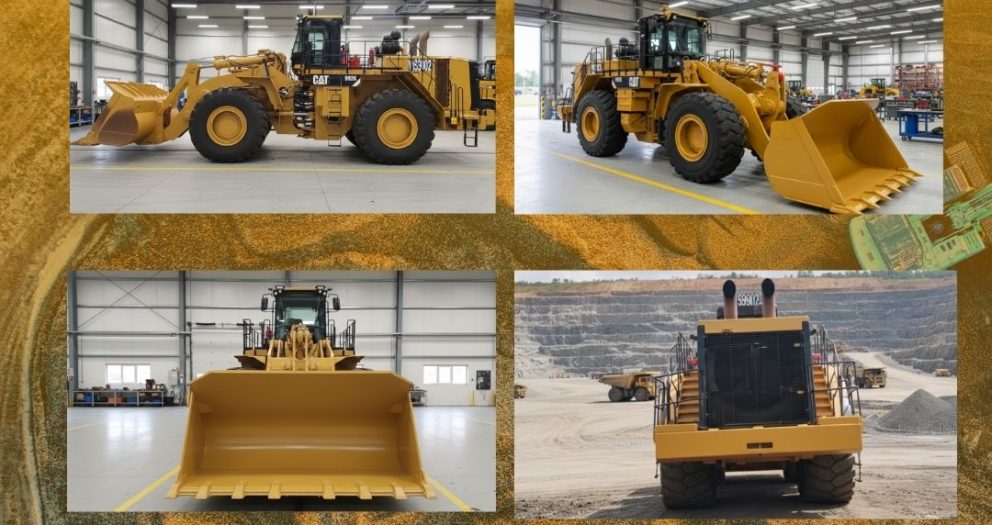
Caterpillar (CAT) 992K Wheel Loader

  • Serial Number (SN): CAT0992K
  • Year of Manufacture (YOM): 2012

CAT 992K – Wheel Loader

Unit Overview

The CAT 992K is a large wheel loader commonly used in mining and bulk material handling operations.

Primary functions:

  • Loading haul trucks
  • Stockpile management
  • Material rehandling

Pre-Operational Inspection

  • Check engine oil, transmission oil, coolant, and hydraulic fluid
  • Inspect tires for wear, cuts, and proper inflation
  • Check bucket pins, cutting edges, and hydraulic cylinders
  • Test brakes, steering, lights, and horn
  • Verify fire suppression system readiness

Engine Start and Warm-Up

  1. Mount the machine using three-point contact
  2. Fasten seatbelt and adjust controls
  3. Turn ignition key and start engine
  4. Allow engine and hydraulics to warm up
  5. Check dashboard indicators and fault codes

Operating Technique

  • Approach the pile with bucket level
  • Engage material using smooth throttle control
  • Lift and tilt bucket simultaneously to maximize fill factor
  • Maintain stable speed when traveling
  • Align loader squarely with haul truck during loading
  • Avoid sudden braking or sharp turns

Efficiency Tip:
Use proper loading cycles to reduce fuel consumption and tire wear.


Parking and Shutdown

  • Park on level ground
  • Lower bucket flat to the ground
  • Engage parking brake
  • Idle engine before shutdown
  • Turn off electrical systems

Professional Operating Tutorial for Heavy Equipment Units

step-by-step operational guide for the following heavy equipment units:

SANDVIK D245S (3 Units)

  • Serial Number (SN): 733***
  • Year of Manufacture (YOM): 2017, 2018, 2019

SANDVIK D245S – Rotary Blasthole Drill

Unit Overview

The Sandvik D245S is a diesel-powered, rotary blasthole drill designed for large-scale surface mining operations. It is capable of drilling large-diameter holes with high precision and stability.

Typical applications include:

  • Production drilling
  • Pre-split and buffer hole drilling
  • Hard rock formations

Pre-Start Inspection

Before starting the Sandvik D245S, perform the following checks:

  • Engine oil, coolant, and hydraulic oil levels
  • Fuel level and fuel lines for leakage
  • Air filters and dust suppression system
  • Drill pipes, bit condition, and rotary head
  • Hydraulic hoses and electrical connections
  • Walkways, handrails, and emergency exits

Record all findings in the daily inspection log.

Start-Up Procedure

  1. Ensure the machine is level and stabilizers are properly deployed
  2. Enter the cabin using three-point contact
  3. Adjust seat, mirrors, and control panels
  4. Turn the master switch ON
  5. Start the engine and allow it to idle until operating temperature is reached
  6. Check system indicators and alarms on the display panel

Drilling Operation

  • Position the drill accurately using GPS or site markers
  • Lower the mast to vertical position and lock it
  • Engage rotary head and apply controlled downforce
  • Adjust rotation speed and feed pressure according to rock hardness
  • Monitor penetration rate, torque, and vibration
  • Activate dust control system during drilling

Professional Tip:
Maintain consistent parameters to reduce drill string wear and improve hole quality.


Shutdown Procedure

  • Retract drill string fully
  • Secure mast and rotary head
  • Idle engine for cooling period
  • Shut down engine and isolate power
  • Conduct post-operation inspection

Professional Guide: How to Operate a CAT D9R Bulldozer and Maintain It Properly

Introduction

The Caterpillar D9R is a heavy-duty track-type bulldozer designed for high-production work in mining, large-scale earthmoving, land clearing, and construction projects. Operating this machine professionally requires more than just knowing how to move the blade forward and backward. A skilled operator understands machine behavior, load management, ground conditions, safety awareness, and preventive maintenance.

This article provides a detailed, practical, and field-oriented guide on how to operate a CAT D9R professionally and how to maintain it properly so the unit stays productive, safe, and reliable over the long term.


Understanding the CAT D9R

Before operating the unit, it’s important to understand what you’re working with:

  • Engine: CAT 3408C diesel engine
  • Operating Weight: ±49 tons (depending on configuration)
  • Power Output ±410 HP
  • Transmission: Powershift planetary transmission
  • Undercarriage: Track-type with heavy-duty rollers, idlers, and sprockets
  • Blade Types: Semi-U (SU), Universal (U), Straight (S)

Knowing the machine’s capacity and limitations is key to operating it efficiently and avoiding unnecessary wear.


Pre-Operation Inspection (Daily Check)

A professional operator never skips the walk-around inspection. This is the first step to preventing downtime.

  1. Visual Inspection
  • Check for oil leaks around the engine, transmission, final drives, and hydraulic lines
  • Inspect hoses and fittings for cracks or looseness
  • Look for loose bolts, damaged guards, or abnormal wear
  1. Fluid Levels
  • Engine oil
  • Coolant level (radiator and reservoir)
  • Hydraulic oil
  • Transmission oil
  • Final drive oil

Always top up using the recommended CAT fluids.

  1. Undercarriage Check
  • Track tension (not too tight, not too loose)
  • Condition of track shoes
  • Wear on rollers, idlers, and sprockets
  • Remove mud, rocks, or debris stuck in the undercarriage
  1. Cab and Controls
  • Check seat adjustment and seatbelt
  • Test warning lights and gauges
  • Ensure joysticks, pedals, and levers move smoothly
  • Verify backup alarm and horn function

Starting the CAT D9R Properly

  1. Make sure the transmission is in neutral
  2. Engage the parking brake
  3. Turn the key and allow the engine to warm up at low idle
  4. Monitor oil pressure, temperature, and warning indicators

Never rush the warm-up process. Cold operation increases engine and hydraulic wear.


Professional Operating Techniques

  1. Blade Control and Load Management
  • Do not overload the blade; let the machine work, not fight the material
  • Use smooth blade movements to maintain traction
  • Keep the blade slightly above ground when traveling long distances

Professional operators read the material—hard ground, soft soil, or rocky terrain all require different blade angles and depths.

  1. Dozing Technique
  • Start with a shallow cut
  • Gradually increase blade depth
  • Maintain steady engine RPM
  • Avoid spinning tracks; traction loss equals undercarriage damage

For long pushes, use a slot dozing technique to reduce resistance and improve efficiency.

  1. Turning and Maneuvering
  • Avoid sharp pivot turns whenever possible
  • Use gradual turns to protect the undercarriage
  • Never turn aggressively on hard surfaces

Smart turning extends track life significantly.

  1. Working on Slopes
  • Always work straight up or down the slope
  • Avoid side-hill operation if possible
  • Keep the blade low for stability
  • Reduce speed and maintain control

Safety always comes before production.


Shutdown Procedure

  1. Park the machine on level ground
  2. Lower the blade fully to the ground
  3. Allow the engine to idle for 3–5 minutes to cool down
  4. Engage parking brake
  5. Shut off the engine

This procedure protects the turbocharger and engine components.


Proper Maintenance Practices

  1. Daily Maintenance
  • Clean the radiator and cooling system
  • Grease all lubrication points
  • Drain water from fuel separators
  • Inspect air filters
  1. Weekly Maintenance
  • Check battery condition and terminals
  • Inspect track alignment
  • Check blade pins, bushings, and wear plates
  • Inspect hydraulic cylinder rods for scoring or leaks
  1. Periodic Maintenance

Follow Caterpillar’s service interval schedule:

  • Engine oil and filter replacement
  • Transmission and hydraulic oil analysis
  • Final drive inspection
  • Undercarriage measurement (wear percentage)

Oil sampling (SOS) is highly recommended to detect early component wear.


Undercarriage Care (Critical for Cost Control)

Best practices:

  • Maintain correct track tension
  • Avoid unnecessary high-speed travel
  • Clean undercarriage daily
  • Match track shoes to ground conditions
  • Avoid spinning tracks

A professional operator treats the undercarriage with respect.


Operator Mindset: What Separates Professionals

A professional CAT D9R operator:

  • Operates smoothly, not aggressively
  • Listens to engine and machine feedback
  • Communicates with supervisors and maintenance teams
  • Stops work when abnormal sounds or warnings appear
  • Understands that machine care equals job security

The best operators are not the fastest, but the most consistent and disciplined.


Conclusion

Operating a CAT D9R professionally is a combination of technical knowledge, experience, and attitude. By following proper operating techniques and disciplined maintenance routines, you can maximize productivity, extend machine life, reduce operating costs, and ensure safe working conditions.

A well-operated CAT D9R is not just powerful—it’s reliable, efficient, and profitable.


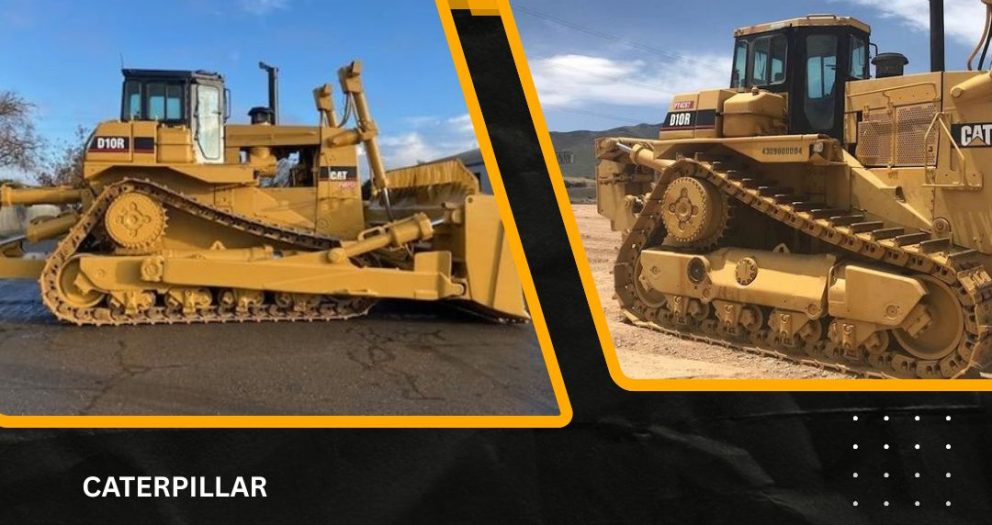
FOR SALE USED CATERPILLAR D10R 2001

CATERPILLAR D10R – YOM 2001

The Caterpillar D10R is a high-performance crawler dozer designed for heavy-duty applications in mining, large-scale construction, and earthmoving projects. Known for its exceptional durability and strong pushing power, the D10R delivers reliable performance even in the most demanding working environments.
Manufactured in 2001, this unit represents Caterpillar’s proven engineering, combining power, stability, and long-term operational reliability.

Details

  • Brand / Model: Caterpillar D10R
  • Year of Manufacture: 2001
  • Type: Crawler Dozer
  • Engine: Cat diesel engine, powerful and fuel-efficient
  • Operating Weight: Heavy-class dozer suitable for large-scale operations
  • Undercarriage: Strong and durable, designed for long working hours
  • Application: Mining, land clearing, road construction, and major earthmoving projects

Functions

The Caterpillar D10R is designed to handle the most demanding tasks, including:

  • Pushing and moving large volumes of soil, rock, and overburden
  • Land clearing and site preparation
  • Supporting mining operations with continuous heavy-duty performance
  • Assisting large infrastructure and construction projects

Its powerful engine and stable structure ensure efficient operation, reduced downtime, and consistent productivity.


Conclusion

The Caterpillar D10R YOM 2001 is a solid and dependable dozer that continues to deliver strong performance for heavy-duty operations. With Caterpillar’s proven build quality and robust design, this unit is an excellent investment for companies seeking reliable equipment with long service life and high productivity.
A practical choice for buyers who value strength, durability, and operational efficiency.

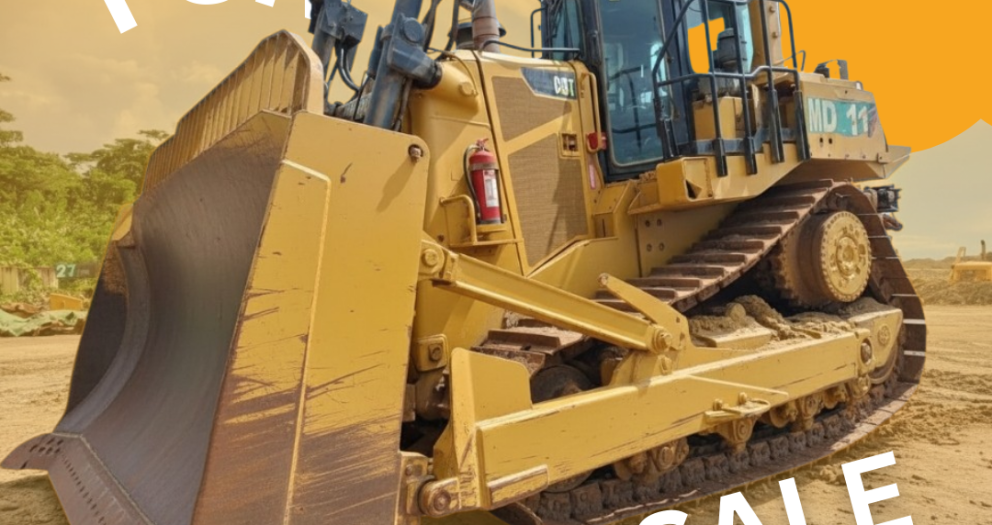
FOR SALE USED CATERPILLAR D9T 2020

PRODUCT DESCRIPTION

The Caterpillar D9T (Year of Manufacture 2020) is a heavy-duty track-type tractor designed for high-performance operations in demanding environments. Built with Caterpillar’s proven engineering, this unit delivers exceptional power, durability, and operational efficiency. It is widely trusted for large-scale earthmoving, mining support, land clearing, and infrastructure development projects.

With a robust structure and advanced powertrain system, the D9T offers consistent productivity while maintaining fuel efficiency and operator comfort. This machine is an ideal choice for contractors and companies seeking reliability, long service life, and strong resale value.

UNIT DETAILS

  • Brand: Caterpillar
  • Model: D9T Track-Type Tractor
  • Year of Manufacture: 2020
  • Undercarriage: Heavy-duty, designed for extended service life
  • Cab: Enclosed cab with ergonomic controls and enhanced visibility

FUNCTION & APPLICATION

The Caterpillar D9T is designed to handle the most demanding applications, including:

  • Large-scale earthmoving and land development
  • Mining and quarry support operations
  • Road construction and infrastructure projects
  • Heavy dozing, ripping, and material pushing
  • Land clearing and site preparation

Its high torque output and stable machine balance allow for precise control and maximum efficiency even in challenging terrains.

CONCLUSION

The Caterpillar D9T YOM 2020 is a solid investment for companies seeking a powerful, reliable, and proven track-type tractor. With its strong performance, durable components, and Caterpillar’s global support network, this unit is built to deliver long-term value and dependable operation.

Choosing this machine means securing productivity, operational confidence, and a trusted asset for your heavy equipment fleet.


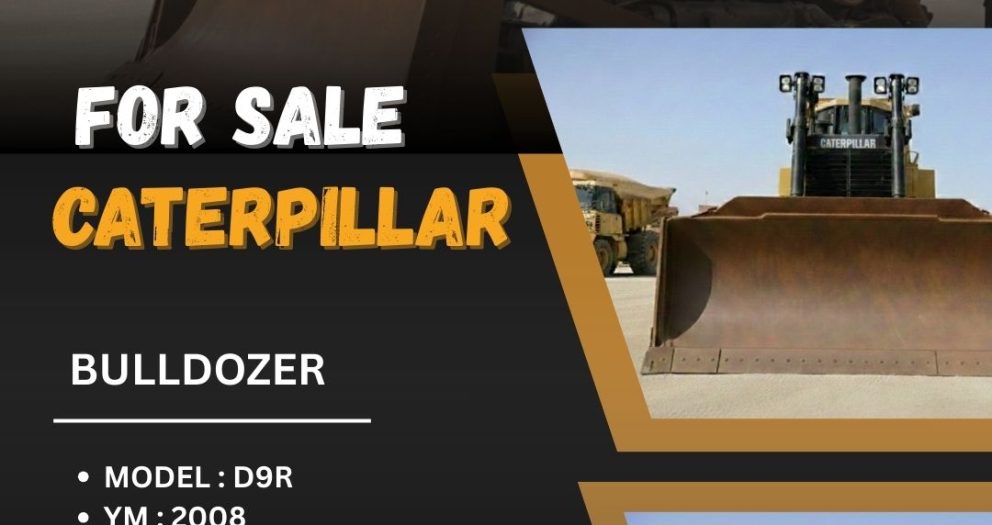
FOR SALE USED CATERPILLAR D9R 2008

CATERPILLAR D9R – Year 2008

Description

The Caterpillar D9R (2008 model) is a heavy-duty crawler dozer designed for high-performance earthmoving in demanding working environments. Known for its exceptional durability, powerful engine output, and superior blade control, the D9R is widely trusted in mining, large-scale construction, land clearing, and infrastructure projects.
This unit offers a strong balance between power, reliability, and operational efficiency, making it a solid investment for long-term use.

Unit Details

  • Brand / Model: Caterpillar D9R
  • Year of Manufacture: 2008
  • Machine Type: Crawler Dozer
  • Engine: Cat diesel engine with high torque performance
  • Operating Weight: Approx. 49–50 tons (depending on configuration)
  • Transmission: Powershift transmission for smooth and efficient operation
  • Undercarriage: Heavy-duty design for extended service life
  • Blade System: Large-capacity blade for maximum material movement
  • Condition: Well-maintained, ready for operation

Functions & Applications

The Caterpillar D9R is designed to handle the most demanding applications, including:

  • Large-scale earthmoving and site preparation
  • Mining overburden removal
  • Land clearing and reclamation projects
  • Road construction and infrastructure development
  • Heavy material pushing in tough terrain

Its strong traction, stable structure, and precise blade control allow operators to work efficiently while maintaining safety and productivity.


Conclusion

The Caterpillar D9R (2008) remains a highly reliable and powerful dozer for companies seeking proven performance and durability. With its robust construction, strong resale value, and global availability of spare parts, this unit is an excellent choice for contractors and mining operators who require dependable heavy equipment for continuous operation.
Investing in this D9R means choosing productivity, strength, and long-term value.


FOR SALE CATERPILLAR 349D2L – YOM 2018

CATERPILLAR 349D2L – YOM 2018

Overview

The Caterpillar 349D2L (2018) is a heavy-duty hydraulic excavator built for mining, large construction, and major earthmoving works. It delivers strong performance, high durability, and efficient operation for demanding job sites.

Unit Details

  • Brand: Caterpillar
  • Model: 349D2L
  • Year: 2018
  • Operating Weight: ±49 tons
  • Engine: Caterpillar C13 ACERT
  • Condition: Well maintained, ready to operate
  • Application: Mining, quarry, heavy construction

Function & Performance

Designed for high-volume excavation and heavy material handling. Powerful hydraulics, strong digging force, and fast cycle times ensure high productivity and reliable daily operation.


Conclusion

A proven and reliable excavator with strong performance and long service life. The Caterpillar 349D2L YOM 2018 is a solid investment for serious heavy-duty operations.

Back to Top
Product has been added to your cart