Best Used Heavy Equipment Trading Company in Singapore

Search

Contact +6581600186 - Yellow Power Pte Ltd

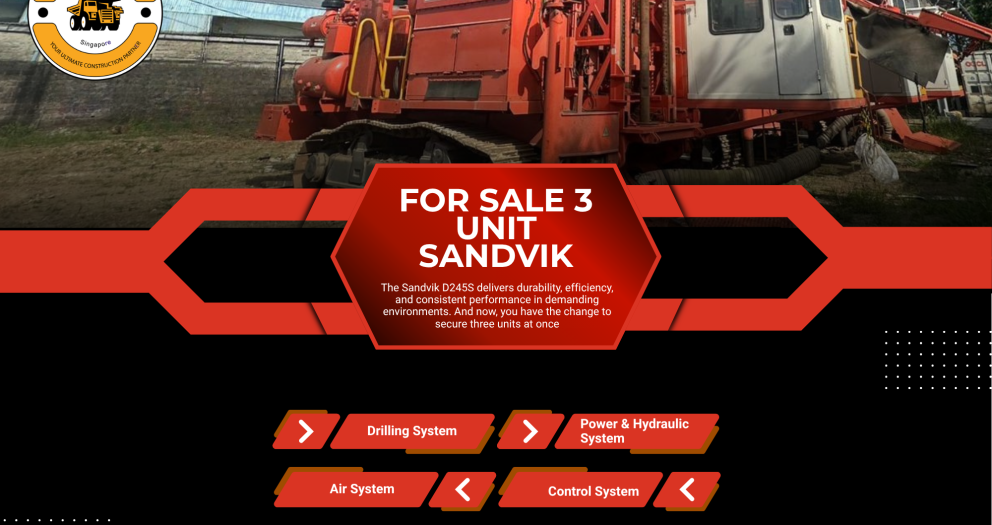
Sandvik D245S: Power, Precision, and Performance in Surface Drilling

The Sandvik D245S stands out as a reliable and high performance surface top hammer drill rig, purpose built for demanding mining and quarrying operations. Designed with a balance of strength, precision, and operator comfort, this machine delivers consistent drilling results even in the harshest environments. Its integrated systems work seamlessly to maximize productivity while minimizing downtime, making it a trusted choice for modern drilling projects.

Advanced Drilling System: Precision Meets Power

At the core of the Sandvik D245S lies a highly efficient drilling system engineered for accuracy and speed. The drill boom provides flexible positioning, allowing operators to reach multiple drilling angles with stability and ease. Supporting this is the feed beam, which ensures smooth guidance and alignment during drilling operations.

The top hammer rock drill generates powerful удар (impact) energy, enabling fast penetration into hard rock formations. This energy is transferred through durable drill rods, connected via a shank adapter for optimal efficiency. Completing the system, high quality drill bits are designed to withstand wear while delivering precise rock fragmentation. Together, these components ensure reliable and consistent drilling performance.

Robust Power & Hydraulic System: The Machine’s Backbone

The Sandvik D245S is powered by a dependable diesel engine that drives both drilling and mobility functions. This energy is efficiently converted through hydraulic pumps, forming the backbone of the rig’s operation.

Hydraulic cylinders control the movement of key components, ensuring precise and smooth operation. A well designed hydraulic tank maintains fluid levels and temperature stability, while advanced filtration systems protect the machine from contaminants. This combination not only enhances performance but also extends the lifespan of critical components.

Efficient Air System: Cleaner and Faster Drilling

An integrated air system plays a crucial role in maintaining drilling efficiency. The onboard air compressor delivers a steady flow of compressed air to clear debris from drill holes, improving penetration rates and preventing blockages.

Air hoses distribute this airflow across the system, while a dust collector minimizes airborne particles. This not only improves visibility during operation but also creates a safer and more environmentally friendly working condition.

Smart Control System: Operator Comfort and Full Control

The Sandvik D245S is designed with the operator in mind. Its ergonomic cabin provides a comfortable and secure environment, even during long working hours. Large windows enhance visibility, ensuring better control and situational awareness.

Inside the cabin, an intuitive control panel and digital display system provide real-time performance data and diagnostics. Joysticks and control levers allow precise handling of drilling and positioning, making operation smooth, responsive, and efficient.

Reliable Mobility System: Built for Tough Terrain

Mobility is essential in mining operations, and the Sandvik D245S excels in this area. Its crawler tracks offer excellent traction and stability, allowing the rig to move confidently across uneven and rugged terrain.

Powered by durable track motors, the machine ensures consistent movement and positioning. The undercarriage supports the entire structure, providing strength and resistance to wear in demanding conditions.

Heavy-Duty Structural Components: Strength You Can Trust

Durability is at the heart of the Sandvik D245S design. Its reinforced chassis and frame provide a solid foundation, capable of handling intense operational stress.

The boom structure is engineered for both strength and flexibility, ensuring reliable performance under continuous use. This robust construction minimizes vibration and enhances drilling accuracy, even in challenging environments.

Supporting Auxiliary Systems: Ensuring Continuous Operation

To keep the machine running efficiently, the Sandvik D245S is equipped with a range of auxiliary systems. A large-capacity fuel tank supports extended operation, reducing the need for frequent refueling.

The cooling system, including a high-performance radiator, prevents overheating during heavy duty use. Meanwhile, the electrical system powers essential functions such as controls, monitoring, and lighting. Integrated lighting ensures safe operation in low light conditions, allowing productivity to continue around the clock.

A Complete Drilling Solution for Modern Mining

With its combination of advanced technology, durable construction, and operator-focused design, the Sandvik D245S delivers a complete solution for surface drilling needs. Every component is engineered to work in harmony, ensuring high productivity, safety, and reliability. For mining operations seeking efficiency and long-term performance, this drill rig proves to be a valuable and dependable asset.

Delivering Rugged Power: The Proven Drive Systems of the Caterpillar 992K

Understanding the Electric Drive & Mechanical Synergy

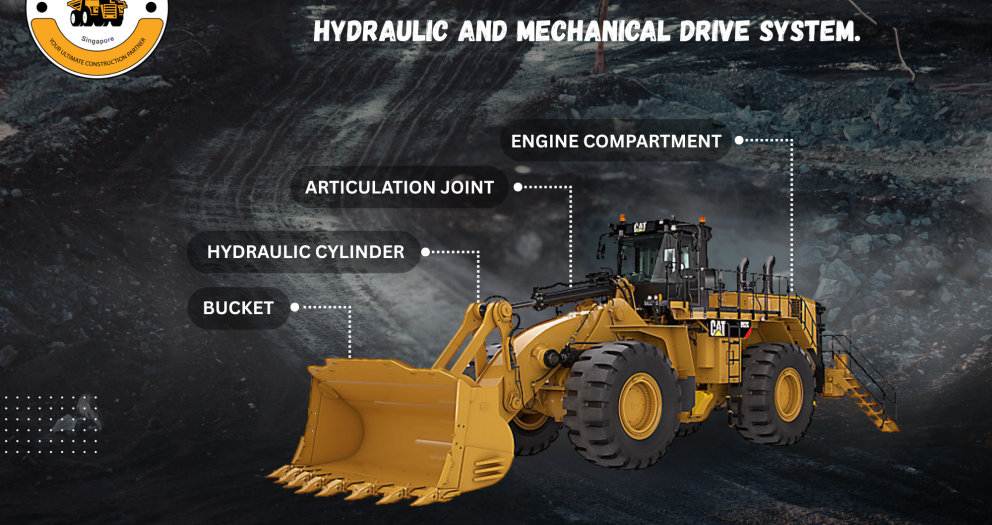
The Caterpillar 992K has earned its reputation in the mining world through a heavy duty mechanical drivetrain paired with a sophisticated hydraulic system. This combination is specifically designed to ensure that power isn't just generated, but delivered efficiently where it's needed most.

At its core, the diesel engine produces mechanical energy that travels through the drivetrain to turn the wheels. Simultaneously, hydraulic pumps convert a portion of that energy into high pressure fluid power. This dual stream approach handles the heavy lifting literally controlling the lift arms, steering, and bucket with pinpoint accuracy.

The result is a machine that maintains massive breakout force without sacrificing smoothness. By blending mechanical muscle with hydraulic precision, the 992K minimizes energy loss and stays in total control, even when navigating the most treacherous terrains.

The Powertrain Advantage

The CAT 992K powertrain isn't just about raw strength; it’s about durability and smart productivity. The high performance engine and heavy duty transmission work in perfect sync to provide reliable torque and traction.

Key benefits include:

  • Immense Torque Output: Allows the machine to plow through dense, compacted material with ease.
  • Optimized Fuel Economy: Smart engine management keeps fuel consumption in check without throttling performance.
  • Built for the Grind: Engineered specifically to endure the non stop, high stress cycles of mining and quarry sites.
  • Seamless Shifting: Provides a smoother ride for the operator, which reduces fatigue and prevents premature wear on the gears.

This integrated engineering leads to what matters most: lower daily operating costs and more hours spent on the job rather than in the shop.

SR System: Built to Last

The SR (Scalable Reliability) system acts as the machine's safeguard, boosting operational stability and extending the lifespan of vital parts. It works by intelligently managing load distribution to prevent unnecessary stress.

Core advantages:

  • Longer Component Life: Optimized load sharing means parts don't wear out prematurely.
  • Smart System Monitoring: Real-time feedback allows teams to stay ahead of maintenance before a small issue becomes a big problem.
  • Consistent Stability: The machine performs predictably, even as workloads shift throughout the day.
  • Minimized Downtime: Early detection tools help avoid the "unexpected breakdowns" that can stall an entire site.

Critical Components of the Caterpillar 992K

  1. The Bucket
    More than just a scoop, the bucket is a precision engineered tool for high volume material handling. Whether it's ore, rock, or heavy soil, its reinforced structure is designed for maximum penetration and minimal spillage, ensuring every pass is a full one.
  2. Hydraulic Cylinders
    These are the "muscles" of the machine. They translate hydraulic pressure into the linear force needed to lift and tilt the bucket. On a 992K, these cylinders provide the stability required to hold massive loads steady, even at full reach.
  3. The Articulation Joint
    This pivot point connects the front and rear frames. Because the machine "bends" at this joint, it has a much tighter turning radius than a standard vehicle. This maneuverability is a game changer in the cramped, high-traffic environment of a mine.
  4. The Engine Compartment
    This houses the heart of the machine. It’s designed to shield the engine from the harsh external environment while maintaining perfect operating temperatures. Crucially, it’s laid out with the technician in mind, making routine checks fast and straightforward to keep the machine moving.

By combining a powerhouse drivetrain with advanced hydraulics and a resilient frame, the Caterpillar 992K remains a top tier choice for operations that demand high performance and unwavering reliability.

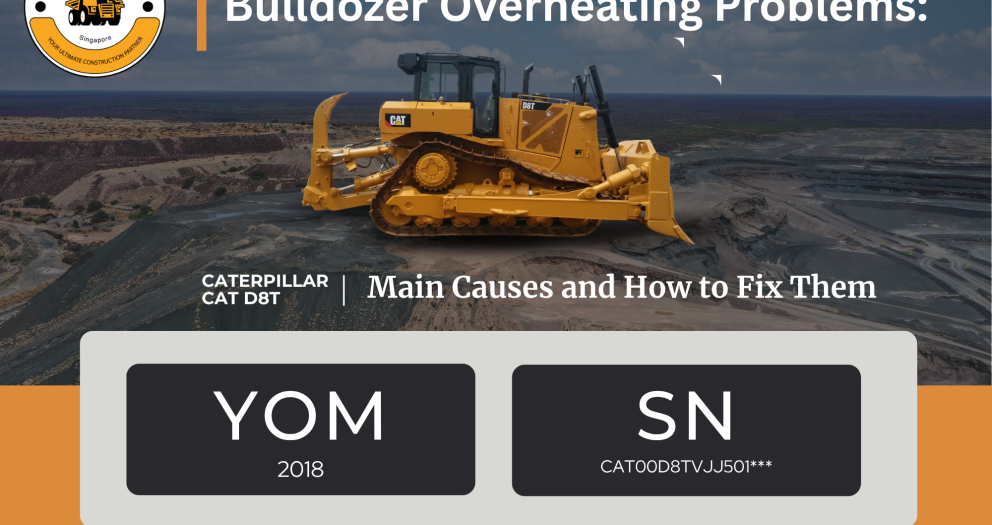
Understanding Bulldozer Overheating and How to Prevent It Effectively

The Reality of Overheating in Heavy Equipment

Overheating is a frequent challenge in bulldozer operations, particularly in demanding environments where machines are expected to perform under constant pressure. A bulldozer engine produces a significant amount of heat during operation, especially when handling heavy loads over long periods. Under normal conditions, this heat is controlled by the cooling system. However, when that system is not functioning optimally, heat begins to accumulate, leading to reduced performance and potential long-term damage. Many operators underestimate how quickly this issue can escalate, assuming it is a minor problem when, in fact, it can halt operations entirely.

Common Causes That Are Often Overlooked

In most cases, overheating is not caused by a single failure but by a combination of smaller issues. One of the most common factors is a dirty or clogged radiator. Dust, mud, and debris can easily block airflow, preventing heat from being released efficiently. Another key issue is coolant condition. Low levels or degraded coolant reduce the system’s ability to absorb and transfer heat away from the engine. Additionally, worn-out fan belts or underperforming cooling fans can limit airflow, especially during continuous operation. These problems may seem minor individually, but together they create a significant impact on engine temperature.

The Impact of Heavy Workload and Operating Conditions

Bulldozers are designed to handle extreme workloads, but even the most durable machines have limits. Continuous operation without adequate rest periods can push the engine beyond its optimal temperature range. This is especially true in hot climates or environments with poor ventilation, where external heat adds to the internal temperature. Operators often focus on productivity and deadlines, unintentionally ignoring the stress placed on the machine. Over time, this can lead to overheating becoming a recurring issue, affecting both efficiency and reliability.

The Role of Maintenance in Preventing Overheating

Consistent maintenance plays a critical role in preventing overheating problems. Simple actions such as regularly cleaning the radiator, checking coolant levels, and inspecting cooling components can significantly reduce risk. Engine oil should also be monitored, as it helps regulate temperature and reduce friction. Neglecting these basic maintenance tasks often leads to more serious mechanical failures that require costly repairs. A well-maintained bulldozer not only runs cooler but also performs more efficiently in the long run.

Practical Steps to Keep Your Bulldozer Running Cool

Preventing overheating does not always require complex solutions. Operators can take practical steps such as scheduling routine inspections, ensuring proper airflow around the engine, and avoiding excessive workloads without breaks. Paying attention to early warning signs such as rising temperature gauges or unusual engine behavior can help address problems before they worsen. Allowing the machine to cool down during extended use is also a simple yet effective habit.

Long-Term Benefits of Proper Temperature Management

Managing engine temperature effectively brings long-term advantages. It helps extend the lifespan of the bulldozer, reduces unexpected downtime, and lowers maintenance costs. More importantly, it ensures that the equipment remains reliable in critical operations. By understanding the causes of overheating and taking preventive measures, operators and maintenance teams can protect their investment and maintain consistent performance in even the toughest working conditions.

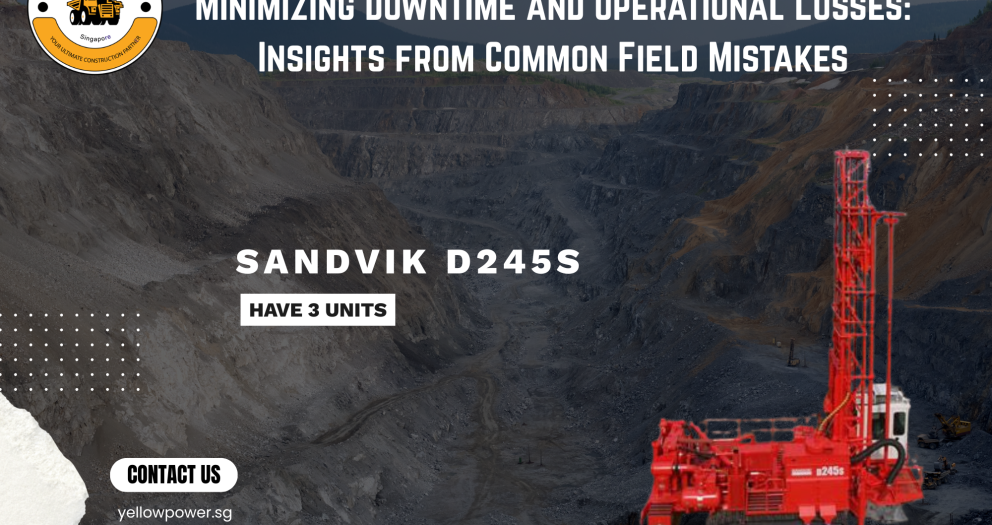
Ensuring Long-term Efficiency and Reliability of the Sandvik D245S Drilling Machine Through Proper Planning and Execution

Understanding the Real Cost of Downtime

In mining and construction, downtime is something everyone tries to avoid but it still happens. And when it does, the impact is usually bigger than expected. Machines like the Sandvik D245S are built for tough conditions, no doubt about that. But in real operations, even reliable equipment will run into issues at some point. It’s just part of the job. The problem is, when a machine stops, everything around it gets affected. Production slows, costs keep going, and sometimes schedules start to slip. If it happens too often, it can also change how clients see your reliability. That’s why maintenance shouldn’t be treated as something secondary. A simple routine checking the machine regularly, fixing small issues early, and making sure operators know what they’re doing goes a long way. In many cases, it’s not the big failures that hurt the most, but the small ones that were ignored.

When everything is working together equipment, people, and maintenance you can really see the difference in performance.

Operator Discipline as a Key Performance Driver

One thing that’s often underestimated is the human factor how the machine is actually operated.

You can have the best equipment available, but if it’s used carelessly, problems will show up sooner or later. It doesn’t always happen instantly. Sometimes it’s small habits, like pushing the machine a bit too hard or skipping certain steps, that slowly create bigger issues. With a machine like the Sandvik D245S, discipline matters. Following procedures might feel repetitive, but it’s there for a reason. It protects both the equipment and the operator.

Once those standards start to slip, the risks increase not just for breakdowns, but also for safety. And in this kind of industry, that’s not something you want to take lightly.

Why Preventive Maintenance Matters

Most experienced teams will agree on one thing: it’s better to prevent problems than to fix them later.

Small signs like unusual noise or slight vibration are easy to overlook, especially during busy operations. But those small signs are usually telling you something. If they’re ignored, they tend to grow into bigger issues ones that take more time, more money, and more effort to fix. Having a clear maintenance routine helps avoid that. It doesn’t have to be complicated, but it has to be consistent. And using the right spare parts also makes a difference. Sometimes people try to cut costs there, but it usually ends up costing more in the long run.

Improving Communication Across Teams

A lot of downtime actually comes from simple miscommunication.

It’s not always about major failures. Sometimes it’s just because a small issue wasn’t reported, or the information didn’t reach the right person in time. Good communication between operators, maintenance teams, and supervisors can prevent a lot of that. If something feels off, it should be easy to say it and just as easy for someone to act on it.

Clear roles and quick responses make things run smoother. Without that, even small problems can turn into bigger disruptions.

Continuous Training and Skill Development

Equipment keeps evolving, and people need to keep up with it.

Training isn’t just something you do once and forget. It has to continue over time, especially when new systems or features are introduced. For operators working with the Sandvik D245S, understanding how the machine behaves in different situations really helps. It builds confidence, and that confidence shows in how they handle the equipment.

Teams that are well-trained usually respond faster, make better decisions, and avoid unnecessary mistakes.

Using Advanced Monitoring and Diagnostic Tools

One advantage of modern machines is that they can “tell” you a lot about their condition if you pay attention. The Sandvik D245S comes with systems that help monitor performance in real time. These tools are useful, but only if they’re actually used. Instead of waiting for something to fail, teams can spot early signs and act before it becomes a problem. It’s a more practical way to handle maintenance.

Over time, this approach reduces surprises and helps keep operations more stable.

Building a Culture of Operational Excellence

At the end of the day, it’s not just about machines or systems it’s about how people work.

Companies that run efficiently usually have one thing in common: they take operations seriously at every level. Maintenance is not ignored, procedures are followed, and everyone understands their role. It’s not something that happens overnight. It’s built over time through habits and consistency. The Sandvik D245S can deliver strong performance, but it needs the right environment to do that. Without the right mindset behind it, even the best equipment won’t reach its full potential.

Keeping Your Sandvik D245S at Peak Performance

In reality, a lot of downtime can be avoided.

It comes down to simple things operating the machine properly, staying consistent with maintenance, communicating clearly, and continuing to learn. None of this is complicated on its own, but it requires consistency. When all of these are in place, operations become more predictable, and problems become easier to manage.

And in the long run, that’s what really makes the difference.

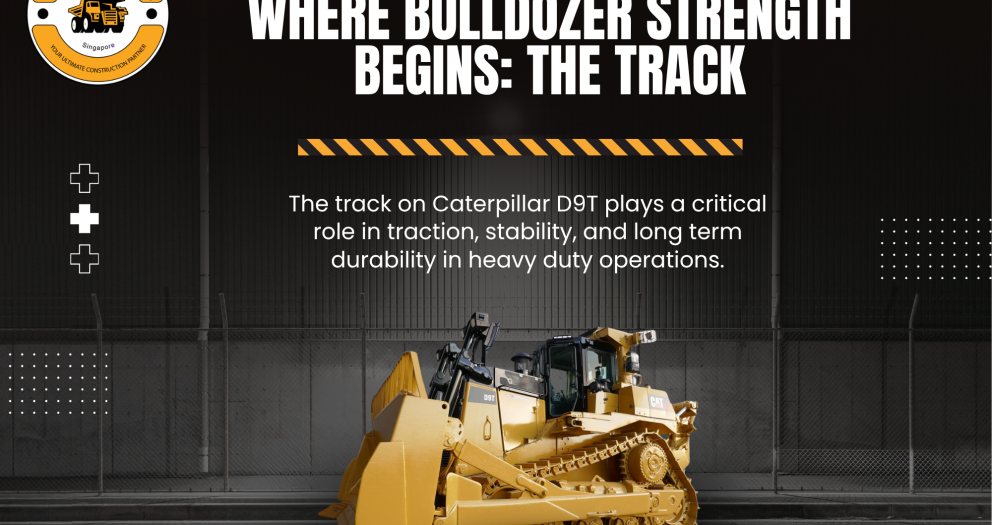
Understanding Bulldozer Tracks: Functions & Maintenance Guide

Bulldozers are powerful machines built to conquer the toughest terrains and at the heart of their performance lies one critical component: the track system. Whether you're working on construction sites, mining operations, or land clearing, understanding how bulldozer tracks function and how to maintain them properly can significantly improve efficiency, safety, and machine lifespan.

What Is a Bulldozer Track and Why Is It Important?

Bulldozer tracks, also known as undercarriage tracks, are continuous metal chains fitted with track shoes that allow the machine to move smoothly across uneven, soft, or rugged terrain. Unlike wheels, tracks distribute the machine’s weight evenly, reducing ground pressure and improving traction.

Without a well functioning track system, even the most powerful bulldozer cannot perform effectively.

Key Functions of Bulldozer Tracks

  1. Superior Traction on Any Terrain

Bulldozer tracks are designed to grip surfaces such as mud, sand, gravel, and rocky ground. This ensures the machine can operate in challenging environments where wheeled vehicles might struggle or get stuck.

  1. Even Weight Distribution

Tracks spread the bulldozer’s weight across a larger surface area. This minimizes soil compaction and prevents the machine from sinking into soft ground, making it ideal for heavy duty operations.

  1. Enhanced Stability and Balance

The wide base created by tracks provides excellent stability, especially when pushing heavy loads or operating on slopes. This reduces the risk of tipping and improves operator safety.

  1. Smooth Movement Over Obstacles

Tracks allow bulldozers to move over obstacles like rocks, debris, and uneven ground with minimal disruption, ensuring continuous and efficient operation.

  1. Durability in Harsh Conditions

Built from high-strength steel, bulldozer tracks are engineered to withstand extreme wear, impact, and environmental conditions.

Main Components of a Bulldozer Track System

Understanding the components helps in proper maintenance:

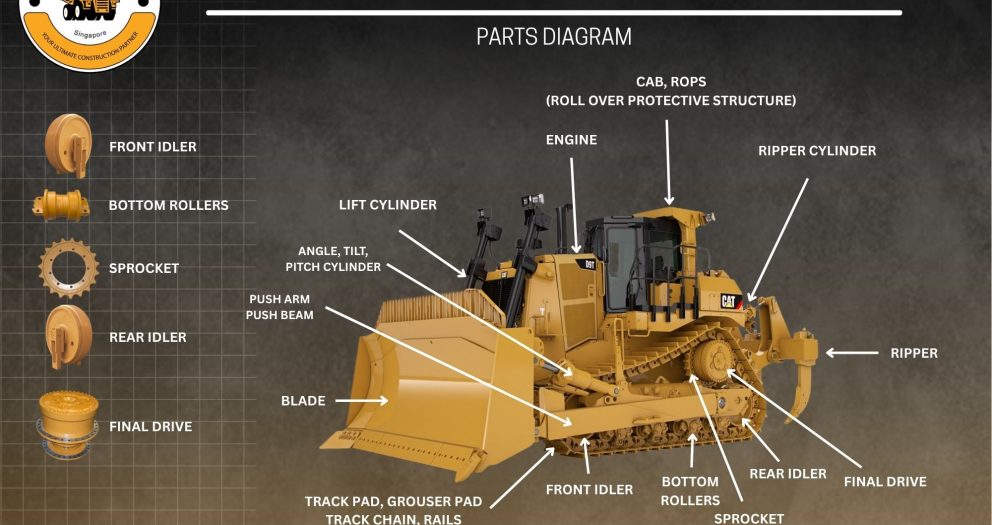
  • Track Chains: Connect all parts and transfer power from the engine.
  • Track Shoes: Provide contact with the ground and traction.
  • Rollers: Support the machine’s weight and guide the track.
  • Idlers: Help maintain track alignment and tension.
  • Sprockets: Drive the track forward or backward.

Each component plays a vital role in overall performance.

How to Maintain Bulldozer Tracks (Step-by-Step Guide)

Proper maintenance is key to extending the life of your bulldozer and avoiding costly downtime.

  1. Perform Regular Inspections

Check the track system daily or before operation:

  • Look for cracks, loose bolts, or worn-out parts
  • Inspect track tension and alignment
  • Identify unusual noises during movement

Early detection prevents bigger problems later.

  1. Maintain Proper Track Tension

Track tension should not be too tight or too loose:

  • Too tight→ causes excessive wear on components
  • Too loose→ increases risk of track slipping off

Always follow manufacturer guidelines for correct adjustment.

  1. Clean Tracks After Use

Mud, stones, and debris can build up and damage the undercarriage:

  • Wash tracks regularly, especially after working in muddy areas
  • Remove trapped materials between track components

A clean track system performs better and lasts longer.

  1. Lubricate Moving Parts

Proper lubrication reduces friction and wear:

  • Apply grease to rollers, idlers, and other moving parts
  • Use recommended lubricants for best results

Consistent lubrication ensures smoother operation.

  1. Monitor Wear and Replace Parts on Time

Track components naturally wear over time:

  • Replace worn track shoes, rollers, or sprockets
  • Avoid mixing new and old components excessively

Timely replacement maintains efficiency and prevents further damage.

  1. Operate the Bulldozer Correctly

Good operating habits can significantly reduce wear:

  • Avoid sharp turns at high speeds
  • Minimize unnecessary reversing
  • Operate on suitable terrain whenever possible

Proper use equals longer equipment life.

Why Proper Track Maintenance Matters

Investing time in maintenance offers real benefits:

  • Reduced repair costs
  • Increased machine lifespan
  • Improved performance and productivity
  • Enhanced safety for operators

In short, a well maintained track system keeps your project running smoothly without unexpected interruptions.

Final Thoughts

Bulldozer tracks are more than just moving parts they are the foundation of your machine’s performance. By understanding their function and committing to regular maintenance, you ensure that your equipment remains reliable, efficient, and ready to tackle any challenge.

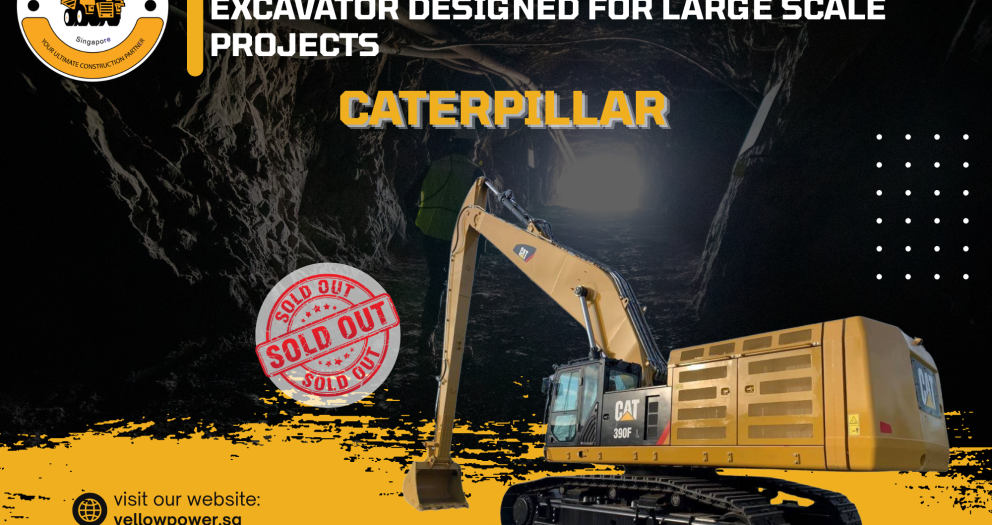
Why the Caterpillar 390F L Dominates Large Construction and Mining Projects

Built for Demanding Operations

When it comes to handling the most demanding construction and mining operations, the Caterpillar 390F L excavator stands in a class of its own. Designed to deliver exceptional power, efficiency, and durability, this heavy-duty machine has become a preferred choice for professionals working on large scale projects where performance is non negotiable.

High Productivity and Operating Capacity

At the core of the Caterpillar 390F L is its impressive operating capacity. Built to move massive volumes of material with precision and speed, it significantly reduces cycle times, enabling operators to complete tasks faster without compromising accuracy. Whether it’s large scale earthmoving, quarry operations, or mining excavation, the machine is engineered to maximize productivity in even the harshest conditions.

Robust Engineering and Durability

One of the key reasons this excavator dominates its field is its robust engineering. Every component is designed with longevity and resilience in mind, allowing it to withstand continuous operation in extreme environments. From reinforced structures to advanced hydraulic systems, the Caterpillar 390F L maintains consistent performance under heavy loads, minimizing downtime and reducing maintenance costs over time.

Fuel Efficiency and Cost Control

Efficiency is another defining strength. The machine is equipped with advanced systems that optimize fuel consumption without sacrificing power. This balance between performance and efficiency is crucial for large projects, where operational costs can quickly escalate. By delivering high output with controlled fuel usage, the Caterpillar 390F L helps companies maintain profitability while meeting tight project deadlines.

Operator Comfort and Control

Operator comfort and control are also central to its design. The cabin is ergonomically engineered to provide a safe and intuitive working environment, reducing fatigue during long shifts. Enhanced visibility, precise controls, and integrated technology allow operators to work with greater accuracy and confidence, which directly contributes to improved job site performance.

Versatility Across Applications

In addition to its technical capabilities, versatility plays a major role in its widespread use. The Caterpillar 390F L can be equipped with a range of attachments, making it suitable for various applications beyond standard excavation. From heavy lifting to material handling, it adapts easily to different project requirements, increasing its overall value on site.

Advanced Safety Features

Safety is another critical factor that sets this machine apart. Built with modern safety features and systems, it supports operators in maintaining a secure working environment even in high risk conditions. This focus on safety not only protects personnel but also ensures smoother operations across complex job sites.

Conclusion: A Strategic Asset for Large Projects

Ultimately, the Caterpillar 390F L dominates large construction and mining projects because it delivers a complete package power, efficiency, durability, and reliability. It is not just a machine it is a strategic asset that drives productivity and supports the success of large scale operations. For companies aiming to achieve maximum performance while maintaining operational efficiency, this excavator represents a proven and dependable solution.

Redefining Precision and Performance in Modern Construction

In today’s construction landscape, precision and capability are no longer optional advantages they have become fundamental requirements for delivering consistent, high-quality results. As project demands continue to increase in complexity and scale, companies are expected to deliver not only speed, but also accuracy, efficiency, and reliability. Every phase of an operation must be executed with intention, ensuring that outcomes meet strict standards while maintaining productivity. This shift reflects a broader transformation within the industry, where excellence is defined not just by results, but by how those results are achieved.

A Process Built on Planning and Discipline

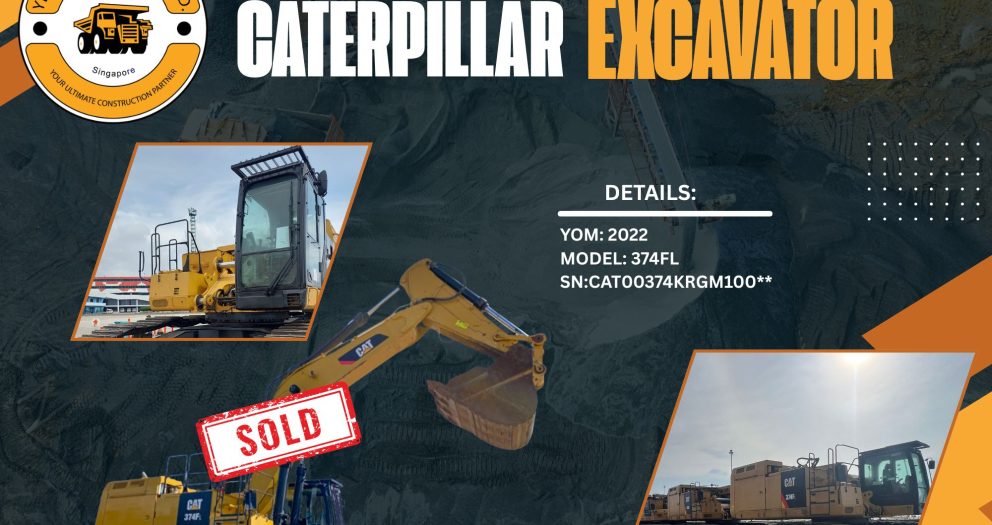
This loading operation exemplifies a methodical and well-coordinated approach, where every element is carefully planned and executed. From the initial positioning of equipment to the precise handling and transfer of materials, each movement is carried out with clear purpose. There is no room for unnecessary motion or inefficiency. By maintaining a structured workflow, the operation minimizes idle time, optimizes cycle durations, and ensures a smooth and continuous process. At the same time, strict adherence to safety protocols remains a priority, reinforcing a disciplined work environment where both productivity and protection go hand in hand.

Power Meets Reliability in Heavy Equipment

At the core of this operation is the Caterpillar 374FL, a machine engineered to perform reliably under demanding conditions. Known for its strength, stability, and durability, it is designed to handle heavy workloads while maintaining consistent performance. Its advanced engineering allows it to operate efficiently even in challenging environments, making it a valuable asset on high intensity job sites. The machine’s ability to deliver power without compromising control ensures that operations can proceed smoothly, even when faced with tight deadlines and complex material handling requirements.

The Human Factor Behind Operational Excellence

Despite the capabilities of modern machinery, true operational excellence is driven by the expertise of the operator. Skill, experience, and situational awareness play a critical role in maximizing the potential of any equipment. Precision control, accurate timing, and informed decision making allow operators to transform mechanical power into efficient and effective performance. This synergy between human capability and advanced technology creates a level of coordination that cannot be achieved by machines alone. It is this balance that ultimately determines the success and efficiency of the entire operation.

Driving Efficiency Through Smart Practices

This workflow demonstrates how the integration of experience, technology, and attention to detail can significantly improve overall efficiency. By reducing unnecessary movements and focusing on optimized execution, operations become more streamlined and cost effective. These improvements not only enhance productivity but also reduce wear and tear on equipment, extend machine lifespan, and lower operational costs. Efficiency in this context is not about working faster alone it is about working smarter, with a clear understanding of how small adjustments can lead to substantial gains over time.

A Commitment to Safer, Smarter Construction

Beyond productivity, this operation reflects a broader commitment within the construction industry to prioritize safety and continuous improvement. Modern construction practices emphasize the importance of creating safer work environments while adopting innovative solutions to enhance performance. This includes leveraging advanced machinery, improving operator training, and implementing better planning strategies. As a result, construction is evolving into a more refined and professional field, where safety, efficiency, and innovation are deeply interconnected.

More Than Just a Loading Operation

Ultimately, this operation represents more than the simple act of moving materials. It is a clear demonstration of professionalism, technical precision, and forward-thinking execution. It highlights how a combination of engineering excellence and human expertise can deliver sustainable, high performance results. In today’s demanding construction environment, success is defined not only by what is accomplished, but by the quality, efficiency, and care with which every task is performed.

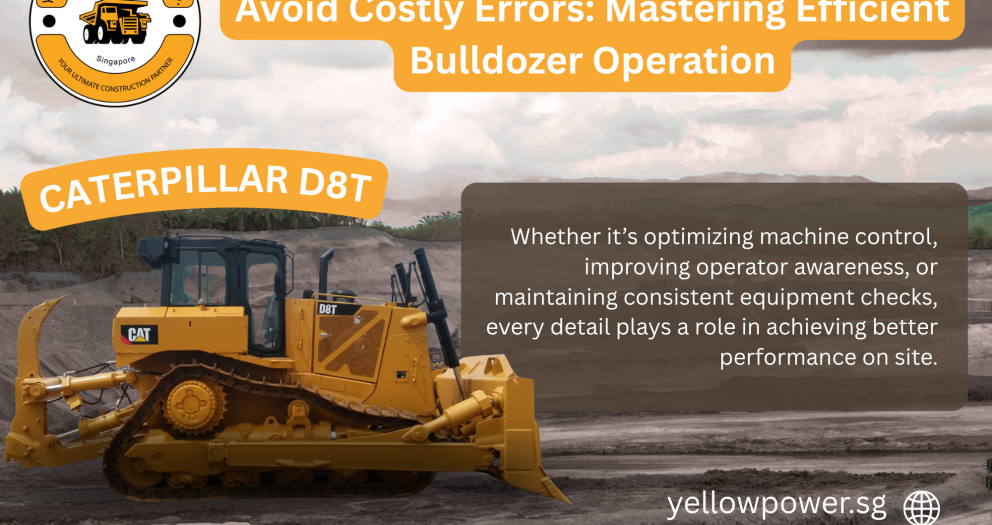
Common Mistakes in Bulldozer Operation You Should Avoid

The Importance of Proper Bulldozer Operation

Bulldozers are indispensable assets in modern heavy earthmoving operations, forming the backbone of activities such as land clearing, grading, and large-scale site preparation. Their ability to move vast amounts of material efficiently makes them a critical component in construction and mining projects. However, even the most advanced and powerful bulldozers can fall short of expectations when not operated correctly. In reality, it is often not major mechanical failures that reduce performance, but rather small, frequently overlooked mistakes in day-to-day operations. These seemingly minor errors can gradually lead to reduced productivity, higher fuel consumption, and accelerated wear on essential machine components. Over time, the cumulative effect of these inefficiencies can significantly increase operational costs and disrupt overall project timelines, ultimately affecting profitability and performance.

Common Mistakes That Impact Performance

A wide range of common operational mistakes can negatively impact bulldozer performance, many of which are entirely preventable with the right knowledge and discipline. Improper blade handling, for instance, can result in uneven grading, material spillage, and unnecessary rework. Inefficient pushing techniques such as overloading the blade or using incorrect travel paths can increase cycle times and fuel consumption while placing additional strain on the machine. Furthermore, neglecting routine maintenance, including regular inspections and timely servicing, can allow minor issues to develop into serious mechanical problems. These mistakes not only reduce efficiency but also increase the likelihood of unexpected downtime, which can be costly in high demand projects. Addressing these issues requires a combination of proper training, operational awareness, and a commitment to best practices on site.

Understanding the Root Causes of Inefficiency

To effectively minimize these mistakes, it is essential to understand the underlying causes of inefficiency in bulldozer operations. In many cases, these issues stem from insufficient operator training, lack of clear operational planning, or inconsistent work habits. Without proper guidance, operators may develop inefficient techniques that negatively impact performance over time. Additionally, poor coordination on site can lead to unnecessary machine movement and wasted effort. By identifying and addressing these root causes, companies can implement more structured and efficient workflows. Investing in operator training, establishing clear operational procedures, and promoting consistent performance standards can significantly enhance productivity. Even small adjustments such as improving blade control, optimizing work patterns, and scheduling regular maintenance can deliver measurable improvements in efficiency and equipment longevity.

Practical Solutions for Better Performance

Improving bulldozer performance does not always require major changes; often, it is the consistent application of practical solutions that makes the biggest difference. This includes adopting proper operating techniques, such as maintaining optimal blade angles, avoiding excessive load, and planning efficient push routes. Regular maintenance should also be prioritized to ensure that the machine remains in peak condition. By focusing on these practical steps, companies can reduce downtime, lower operating costs, and improve overall workflow efficiency. A well operated and well maintained bulldozer not only performs more effectively but also contributes to a safer and more productive job site environment.

Achieving Long Term Operational Success

In today’s highly competitive construction and mining industries, achieving long-term success requires a strong focus on both productivity and risk management. Avoiding common bulldozer operation mistakes is a critical part of this process. By improving operator awareness, maintaining equipment consistently, and continuously refining operational strategies, businesses can ensure more reliable and efficient performance across all projects. Ultimately, the ability to identify and address these common pitfalls is not just an advantage it is a necessity. Companies that prioritize efficiency, precision, and reliability will be better positioned to meet project demands, control costs, and maintain a sustainable competitive edge in the industry.

Maximizing Earthmoving Efficiency with the Caterpillar 349D2L Excavator

Driving Efficiency in Modern Earthmoving Operations

In modern earthmoving and mining operations, efficiency is no longer just a performance target it has become a fundamental requirement for long term success. Companies today face increasing pressure to move larger volumes of material within tighter project timelines, all while maintaining strict cost control, high safety standards, and consistent operational reliability. As projects continue to grow in scale and complexity, the demand for advanced and dependable heavy equipment becomes more critical than ever. Achieving optimal efficiency is not only about using powerful machinery, but also about integrating smart engineering, precision control, and seamless performance across every stage of the operation.

Power and Performance That Deliver Results

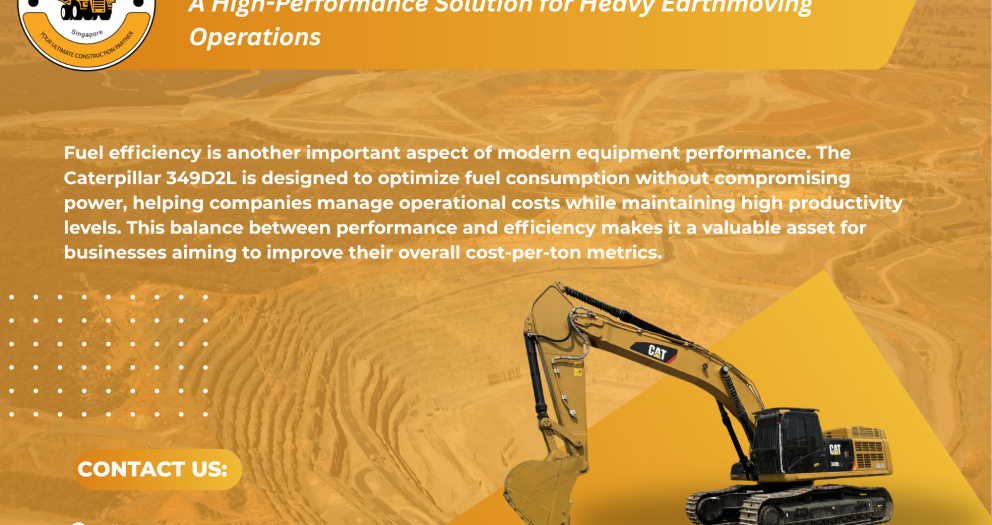
The Caterpillar 349D2L is purpose-built to meet these demanding expectations, delivering exceptional digging power combined with fast and efficient cycle times. This enables operators to maximize productivity with every pass, ensuring that more work is completed in less time. Its advanced hydraulic system provides smooth, precise, and highly responsive control, allowing for consistent performance across a wide range of applications. Whether handling heavy loading tasks, trenching, or large scale excavation, the machine performs reliably even in the most challenging ground conditions. This level of capability is especially valuable in high-demand operations such as overburden removal, site preparation, and major excavation projects, where both speed and accuracy play a critical role in achieving project goals.

Built for Durability and Long-Term Reliability

Beyond its impressive performance, the Caterpillar 349D2L is engineered with a strong focus on durability and long-term reliability. Its reinforced structural design and high quality components are built to withstand harsh and demanding working environments, from rugged construction sites to intensive mining operations. This durability significantly reduces the risk of unexpected breakdowns and minimizes costly downtime, allowing operations to run more smoothly and efficiently. Over time, this translates into lower maintenance costs and improved equipment lifespan. Consistent operational reliability is a key factor in maintaining productivity, as it ensures that projects can continue without unnecessary interruptions or delays.

Enhancing Operator Comfort and Productivity

Operator performance is another essential factor in maximizing overall productivity, and the Caterpillar 349D2L addresses this through a thoughtfully designed and ergonomic working environment. The cabin is built to provide maximum comfort, reducing operator fatigue during long working hours. Features such as improved visibility, intuitive controls, and responsive handling allow operators to work with greater precision and confidence. This not only enhances productivity but also contributes to safer job site operations. When operators are comfortable and in control, they are able to maintain consistent performance, ultimately leading to higher efficiency and better project outcomes.

A Complete Solution for Efficient Earthmoving

Maximizing efficiency in earthmoving requires a well balanced combination of power, precision, durability, and operator support. The Caterpillar 349D2L successfully brings all of these elements together, making it a reliable and high performing solution for modern construction and mining operations. By delivering consistent results, reducing downtime, and supporting optimal operator performance, it enables businesses to achieve higher productivity while maintaining operational stability. For contractors and industry professionals focused on long term efficiency and performance, the 349D2L stands out as a dependable and strategic investment in today’s competitive environment.

How the Sandvik D245S Ensures Consistency, Efficiency, and Durability in Modern Mining

In today’s highly demanding mining industry, reliability is more than just a desirable feature it is a necessity. Equipment must consistently perform under pressure, adapt to challenging ground conditions, and support continuous production without compromise. The Sandvik D245S is specifically engineered to meet these expectations, making it a trusted solution for high-performance surface drilling operations.

Built with a strong and durable structure, the Sandvik D245S is designed to withstand harsh environments and intensive workloads. Its advanced drilling system delivers precise and consistent blasthole execution, ensuring optimal fragmentation for downstream processes such as blasting, loading, and hauling. This level of accuracy not only improves operational efficiency but also helps reduce overall project costs.

One of the key strengths of the D245S lies in its ability to maintain stable performance across varying rock formations. Whether operating in soft ground or hard rock conditions, the machine adapts effectively to ensure continuous productivity. This reliability minimizes unplanned downtime and supports smooth, uninterrupted operations—an essential factor in achieving production targets.

Beyond its technical capabilities, the Sandvik D245S is also designed with the operator in mind. Its intuitive control systems and ergonomic layout contribute to safer and more comfortable working conditions, allowing operators to maintain focus and efficiency during long shifts. Enhanced visibility and user-friendly interfaces further support precise operation and reduce the risk of errors in the field.

Moreover, the machine’s engineering emphasizes ease of maintenance and long-term durability. With components built for longevity and serviceability, the D245S helps reduce maintenance time and extend equipment life cycles, providing greater value over the long term.

Ultimately, the Sandvik D245S is more than just a drill rig it is a reliable partner in achieving operational excellence. By combining power, precision, and durability, it enables mining companies to improve productivity, enhance safety, and maintain consistent performance in even the most demanding drilling environments.

Back to Top
Product has been added to your cart