Sandvik D245S: Power, Precision, and Performance in Surface Drilling
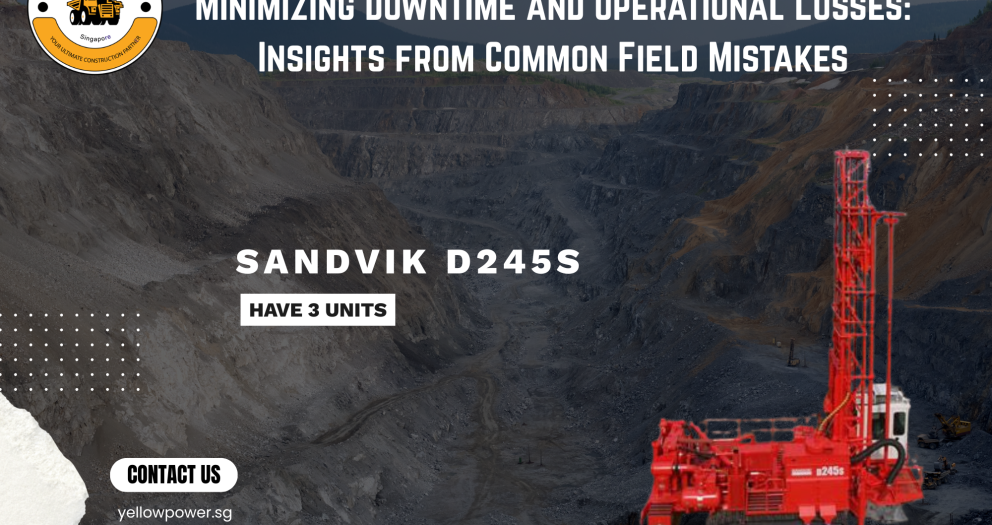
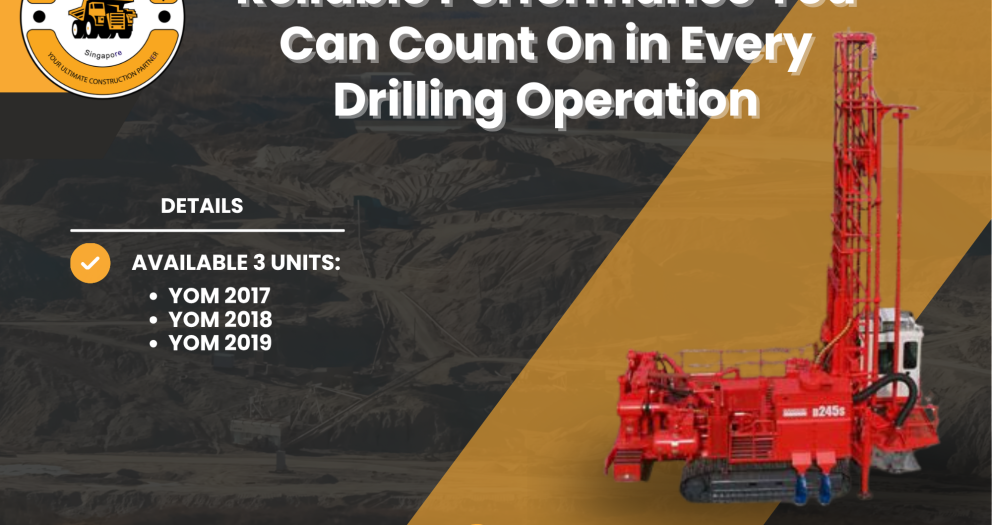
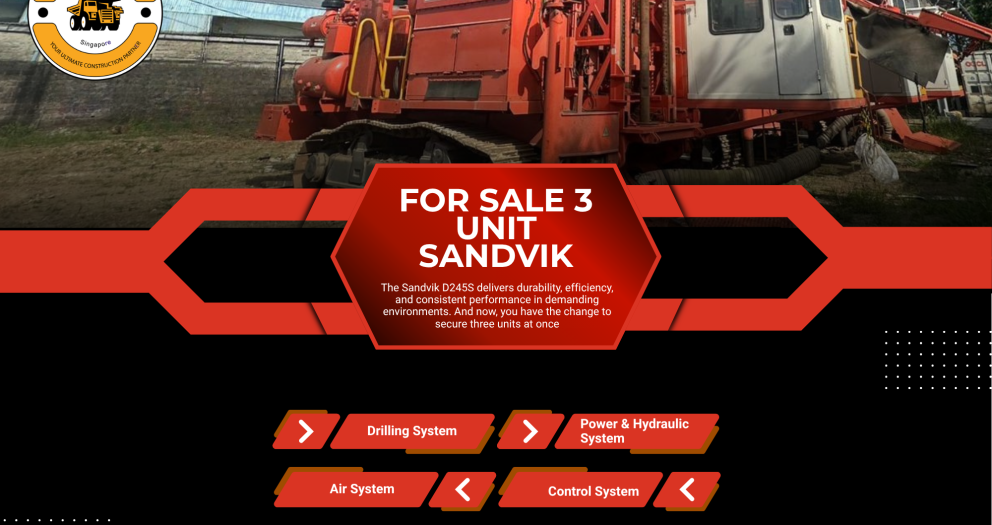
The Sandvik D245S stands out as a reliable and high performance surface top hammer drill rig, purpose built for demanding mining and quarrying operations. Designed with a balance of strength, precision, and operator comfort, this machine delivers consistent drilling results even in the harshest environments. Its integrated systems work seamlessly to maximize productivity while minimizing downtime, making it a trusted choice for modern drilling projects.
Advanced Drilling System: Precision Meets Power
At the core of the Sandvik D245S lies a highly efficient drilling system engineered for accuracy and speed. The drill boom provides flexible positioning, allowing operators to reach multiple drilling angles with stability and ease. Supporting this is the feed beam, which ensures smooth guidance and alignment during drilling operations.
The top hammer rock drill generates powerful удар (impact) energy, enabling fast penetration into hard rock formations. This energy is transferred through durable drill rods, connected via a shank adapter for optimal efficiency. Completing the system, high quality drill bits are designed to withstand wear while delivering precise rock fragmentation. Together, these components ensure reliable and consistent drilling performance.
Robust Power & Hydraulic System: The Machine’s Backbone
The Sandvik D245S is powered by a dependable diesel engine that drives both drilling and mobility functions. This energy is efficiently converted through hydraulic pumps, forming the backbone of the rig’s operation.
Hydraulic cylinders control the movement of key components, ensuring precise and smooth operation. A well designed hydraulic tank maintains fluid levels and temperature stability, while advanced filtration systems protect the machine from contaminants. This combination not only enhances performance but also extends the lifespan of critical components.
Efficient Air System: Cleaner and Faster Drilling
An integrated air system plays a crucial role in maintaining drilling efficiency. The onboard air compressor delivers a steady flow of compressed air to clear debris from drill holes, improving penetration rates and preventing blockages.
Air hoses distribute this airflow across the system, while a dust collector minimizes airborne particles. This not only improves visibility during operation but also creates a safer and more environmentally friendly working condition.
Smart Control System: Operator Comfort and Full Control
The Sandvik D245S is designed with the operator in mind. Its ergonomic cabin provides a comfortable and secure environment, even during long working hours. Large windows enhance visibility, ensuring better control and situational awareness.
Inside the cabin, an intuitive control panel and digital display system provide real-time performance data and diagnostics. Joysticks and control levers allow precise handling of drilling and positioning, making operation smooth, responsive, and efficient.
Reliable Mobility System: Built for Tough Terrain
Mobility is essential in mining operations, and the Sandvik D245S excels in this area. Its crawler tracks offer excellent traction and stability, allowing the rig to move confidently across uneven and rugged terrain.
Powered by durable track motors, the machine ensures consistent movement and positioning. The undercarriage supports the entire structure, providing strength and resistance to wear in demanding conditions.
Heavy-Duty Structural Components: Strength You Can Trust
Durability is at the heart of the Sandvik D245S design. Its reinforced chassis and frame provide a solid foundation, capable of handling intense operational stress.
The boom structure is engineered for both strength and flexibility, ensuring reliable performance under continuous use. This robust construction minimizes vibration and enhances drilling accuracy, even in challenging environments.
Supporting Auxiliary Systems: Ensuring Continuous Operation
To keep the machine running efficiently, the Sandvik D245S is equipped with a range of auxiliary systems. A large-capacity fuel tank supports extended operation, reducing the need for frequent refueling.
The cooling system, including a high-performance radiator, prevents overheating during heavy duty use. Meanwhile, the electrical system powers essential functions such as controls, monitoring, and lighting. Integrated lighting ensures safe operation in low light conditions, allowing productivity to continue around the clock.
A Complete Drilling Solution for Modern Mining
With its combination of advanced technology, durable construction, and operator-focused design, the Sandvik D245S delivers a complete solution for surface drilling needs. Every component is engineered to work in harmony, ensuring high productivity, safety, and reliability. For mining operations seeking efficiency and long-term performance, this drill rig proves to be a valuable and dependable asset.